Mental Health and Social Isolation among Sub-Saharan African Migrants in Tunisia: A Cross-Sectional Quantitative Study {under peer review}
Research article
Zyed Achour, Department of Labor Sciences, National Institute of Labor and Social Studies, University of Carthage, Tunis, Tunisia, ORCID iD: https://orcid.org/0000-0002-1578-9062
Background: Sub-Saharan African migrants in Tunisia face multiple psychosocial stressors affecting their mental health, yet quantitative evidence on psychological distress in this population remains scarce.
Objective: This exploratory study aimed to: (1) document self-reported symptom levels across multiple psychological dimensions, (2) examine the association between social isolation and depression, (3) identify variations by sociodemographic and migration-related characteristics, and (4) describe distinct distress profiles through cluster analysis.
Methods: Between March and June 2025, 97 Sub-Saharan migrants were recruited through time-location and convenience sampling in Greater Tunis. Structured interviews assessed depression, anxiety, social isolation, acculturative stress, and psychosocial resources using 6-item composite scales. Analyses included descriptive statistics, Pearson correlations, t-tests, ANOVA, and k-means clustering.
Results: Mean symptom scores were close to theoretical scale midpoints: depression (M=17.9/30, SD=6.0), anxiety (M=17.9/30, SD=5.8), and social isolation (M=18.0/30, SD=5.7). Social isolation was not significantly correlated with depression (r=0.014, p=.895); instead, the strongest associations observed were between depression and anxiety (r=0.774, p<.001), and between social isolation and acculturative stress (r=0.747, p<.001). Depression did not differ by gender (M=17.8 vs 17.9, p=.955, d=-0.01); men reported significantly higher social isolation (M=19.4 vs 16.5, p=.012, d=0.52) and acculturative stress (M=19.6 vs 16.3, p=.003, d=0.62) than women. No differences emerged by length of residence; legal status was not associated with symptom levels, but was significantly associated with psychosocial resources (p=.038), with participants in the "in process" status category reporting higher scores. Cluster analysis identified three profiles: low overall distress (n=29), predominantly social/contextual distress marked by high isolation and acculturative stress (n=37), and predominantly mood-related distress marked by high depression and anxiety (n=31); psychosocial resources and specific stressors did not differentiate these profiles.
Conclusions: Sub-Saharan migrants in Tunisia report psychological symptom levels around theoretical scale midpoints, with distress organised along two largely independent dimensions — mood symptoms and social/contextual stress — rather than a single unified pattern. Social isolation was not directly associated with depression but was strongly linked to acculturative stress, and men showed unexpected vulnerability specifically in the social/contextual domain rather than in mood symptoms. The persistence of distress regardless of residence duration suggests structural rather than adjustment-related origins. Three distinct distress profiles highlight heterogeneity requiring differentiated intervention approaches. Findings underscore the need for gender-sensitive, community-based mental health support and policies addressing legal precarity, including attention to psychosocial resource disparities linked to legal status.
Keywords: migration, mental health, social isolation, acculturative stress, psychosocial resources, North Africa, clustering analysis
Introduction
Since the 2011 Tunisian Revolution, Tunisia's migration landscape has shifted in significant ways. In addition to its longstanding patterns of emigration, the country has increasingly become both a transit point and a temporary place of settlement for many migrants, particularly those from Sub-Saharan Africa. The post-revolution years have seen a marked rise in migration flows to and across Tunisia, unfolding within a broader context of persistent economic and political instability. These developments have gradually reshaped Tunisia's role in regional mobility, leading to more complex and diverse migration trajectories. The onset of the COVID-19 pandemic added an additional layer of difficulty by altering migration routes and further increasing the vulnerability of migrants living in the country.
Recent figures highlight the scale of this movement. In 2024, Tunisian authorities intercepted more than 80,000 migrants in an irregular situation—mostly from Sub-Saharan Africa—and around 18,300 refugees and asylum seekers were registered nationwide (UNHCR, 2024). While indicative of growing migration pressures, these numbers reflect only part of the reality. They mainly capture official interceptions and registered cases, leaving out many migrants who live in informal networks and under precarious conditions. Several recent studies show that most Sub-Saharan migrants view Tunisia not as a long-term destination but as a stopover on their way to Europe (Global Initiative, 2024; Small Arms Survey, 2024). Mental health and psychosocial support services, however, are rarely designed with such transit populations in mind (Gargano et al., 2022).
The COVID-19 pandemic further intensified the difficulties these migrants already faced, limiting access to employment and healthcare and exacerbating social and economic precarity. Combined with structural vulnerabilities that long predate the pandemic, this environment increases psychosocial risks and contributes to fragile mental health conditions. In such a context, documenting the levels of psychological distress among migrants—and examining how these relate to factors such as social isolation, acculturative stress, and psychosocial resources—becomes essential. Understanding these relationships within the specific Tunisian context is crucial for designing more responsive mental health interventions and informing public policies aimed at addressing the needs of migrants living in uncertain and often unstable circumstances.
Theoretical Framework
The biopsychosocial model developed by Engel (1977) provides a robust framework for understanding the mental health of migrants. It emphasises the interplay between several dimensions: biological factors — such as the physiological correlates of chronic stress, including sleep disturbance and somatic arousal (e.g., palpitations), both of which are reflected in several items of our anxiety scale — psychological aspects—such as coping strategies and how individuals interpret their situation—as well as social influences. It is precisely this complexity of interactions that makes this model relevant to migrant populations, where individual experiences intertwine with often challenging social and cultural contexts. Thus, mental health among migrants results from a delicate balance between individual predispositions, psychological stress, and social conditions (Engel, 1977; Roberts, 2023). Our study did not include dedicated biological measures (e.g., physiological or clinical markers), and this dimension is therefore addressed only indirectly, through self-reported somatic symptoms; this is acknowledged as a limitation below.
In this study, the biopsychosocial model serves as a guiding framework for understanding how social, psychological, and contextual factors jointly shape mental health outcomes among Sub-Saharan migrants in Tunisia. Social isolation represents the social dimension, perceived stress and emotional responses reflect the psychological dimension, somatic symptoms captured within our anxiety scale offer a partial proxy for the biological dimension, and migrants' living conditions capture key contextual components. This framework directly informs our research questions by positioning mental health outcomes as the result of interacting biological, social and psychological determinants rather than isolated factors.
These theoretical frameworks directly inform our research design. Berry's acculturation model guides our measurement of acculturative stress as a key psychological stressor, while Engel's biopsychosocial framework structures our simultaneous examination of social factors (isolation, community resources), psychological dimensions (symptom endorsement, coping capacity), and contextual elements (legal status, migration duration). This integrated approach allows us to capture the multidimensional nature of migrant mental health, though we acknowledge that our exploratory cross-sectional design limits causal inference about how these dimensions interact.
Social Isolation and Mental Health
Social isolation is widely recognised as a significant determinant of psychological distress, particularly among individuals experiencing migration, displacement or socioeconomic vulnerability. For many migrants, separation from family networks, limited community ties, and unstable living conditions contribute to a reduced sense of belonging and heightened emotional strain. Previous research has shown that restricted social support often exacerbates symptoms of depression, anxiety, and stress, especially in contexts where daily life is marked by uncertainty or exclusion.
Recent systematic reviews further underscore how loneliness and weakened social networks affect the mental health of displaced populations. Nguyen et al. (2024) highlight the high symptom level of loneliness among refugees resettled in high-income countries and document its strong association with depression, PTSD and general psychological distress. Similarly, Nowak et al. (2023) show that post-migration living conditions—such as limited community ties, precarious housing and ongoing social exclusion—consistently predict elevated symptoms of depression and anxiety. These reviews collectively demonstrate that social isolation is a robust cross-contextual risk factor, reinforcing the relevance of examining this phenomenon in the Tunisian transit environment. Recent umbrella reviews further confirm social isolation as a critical public health concern requiring evidence-based interventions (Hansen et al., 2024).
Building on this broader evidence, several empirical studies have also linked social isolation to emotional exhaustion and reduced well-being among migrants facing socioeconomic insecurity. For instance, earlier work has shown that feelings of exclusion and limited interpersonal support directly contribute to depressive symptoms, while the absence of stable social networks increases psychological vulnerability. These findings reinforce the notion that isolation is not merely a social condition but a key psychological stressor that shapes how migrants adapt, cope and experience daily life. In the Tunisian context, where many Sub-Saharan migrants navigate precarious legal and economic situations, understanding these dynamics becomes all the more essential.
Bronfenbrenner's (1979) socio-ecological framework further enriches this perspective by emphasising how multiple system levels—from individual characteristics to family networks, community structures, and broader societal contexts—interact to shape adaptation to forced migration (Fadhlia et al., 2025). While our study focuses primarily on individual-level assessment, we acknowledge that participants' experiences are embedded within these nested ecological systems, which future research should examine more systematically.
Acculturative Stress
Acculturative stress refers to the psychological strain associated with adapting to a new culture. It is often associated with increased depression and anxiety among migrants. Berry (1997) proposes a key model that identifies four pathways of acculturation: integration, assimilation, separation, and marginalisation, each with a different impact on psychological well-being. Acculturative stress can manifest itself in various challenges: language difficulties, value conflicts, feelings of exclusion, and loss of identity (Berry, 1997; Nguyen et al., 2024).
Empirical studies consistently show that acculturative stress—rooted in language barriers, discrimination, unstable legal status and disrupted social networks—contributes directly to elevated symptoms of depression and anxiety among resettled and migrant populations. For example, Lumley, Katsikitis and Statham (2018) documented that acculturative stress was a substantive predictor of depression and anxiety in a sample of resettled Bhutanese refugees, while a study of Iraqi refugee women in the United States found a linear association between higher acculturative-stress scores and increased odds of both depression and anxiety (Yun et al., 2021). These findings suggest that acculturative stress operates through clear psychosocial pathways (limited support, exclusion, uncertainty) that are likely relevant to Sub-Saharan migrants in Tunisia and therefore merit explicit consideration in our analyses.
Research shows that this stress significantly predicts mental health disorders among migrants, including depression and anxiety (Nguyen et al., 2024; Hajak et al., 2021). The process of social adaptation and coping with experiences of exclusion or discrimination constantly demands migrants' psychological resources (Nguyen et al., 2024).
Gender Differences
Gender plays an important role in migration experiences and mental health outcomes. Generally, migrant women show higher rates of mental health disorders, linked to specific factors such as gender-based discrimination, limited economic opportunities, and forms of social isolation (Hollander et al., 2011; Martin, 2023). However, more recent studies highlight the complexity of this relationship, with some observing increased suffering among men in specific contexts (Silove et al., 2017; Ben Abid et al., 2023).
Gender inequalities in mental health reflect multiple social determinants, such as access to resources, social roles, and exposure to trauma (Martin, 2023; Hajak et al., 2021). Understanding these nuances is essential for developing tailored and gender-sensitive interventions.
Objectives
Given the severely understudied nature of this population, we designed this study as an exploratory investigation rather than a hypothesis-testing exercise. This study aims to:
- Document the prevalence and distribution of self-reported psychological symptoms (depression, anxiety, social isolation, acculturative stress) among Sub-Saharan migrants in Greater Tunis, recognizing that without validated diagnostic thresholds, findings represent symptom endorsement patterns rather than clinical prevalence estimates;
- Examine the bivariate association between social isolation and depressive symptoms, given prior evidence linking these dimensions in displaced populations;
- Describe variations in psychological symptom levels across key sociodemographic and migration-related characteristics (gender, age, length of residence, legal status) to identify potentially vulnerable subgroups;
- Identify distinct distress profiles through cluster analysis to capture heterogeneity in how psychological distress and coping capacity are configured within this population, informing future tailored intervention approaches.
These objectives provide an initial empirical portrait and generate hypotheses for future confirmatory research, without attempting to establish causal relationships. The study offers a foundation for understanding the psychosocial realities facing Sub-Saharan migrants in Tunisia, a population whose mental health needs have remained largely invisible in the scientific literature.
Methods
Study design and setting
This quantitative, cross-sectional study was conducted between March and June 2025 in Greater Tunis. We selected Greater Tunis as our research site for compelling practical reasons: it serves as both a hub and transit point for numerous sub-Saharan migrants, whilst encompassing bustling working-class neighbourhoods, active community organisations, and informal social spaces.
Our fieldwork concentrated primarily in working-class areas where migrants' daily lives unfold: local cafés, crowded souks, busy pavements near transport hubs, places of worship, and small restaurants popular with diaspora communities. We made a deliberate choice to approach participants within their own environments. This facilitated initial contact, though it also meant adapting to frequent interruptions and occasional wariness.
The manuscript complies with the STROBE reporting guidelines for observational studies.
Participants and sampling
During fieldwork, we approached nearly 300 individuals. Our inclusion criteria were straightforward: sub-Saharan migrants aged 18 or above, resident in Tunisia for at least three months, able to provide informed consent, and capable of responding in French, Tunisian Arabic, or English. We excluded the few individuals who spoke none of these languages.
We employed a combination of convenience sampling and time-location sampling to ensure diversity across demographics (gender, age, legal status, length of residence). Recruitment sites ranged from cafés and local markets to community centres and places of worship, including informal gathering points identified by community leaders.
Several migrants, particularly those without legal status, displayed considerable caution, fearing their responses might have repercussions. Some chose to withdraw mid-interview, whether from apprehension or time constraints. Ultimately, 97 complete questionnaires were retained for analysis, after excluding one incomplete record. This sample size is adequate for our main objectives: it offers reasonable power to detect the significant associations observed in this study, notably between social isolation and acculturative stress, and the gender differences in social isolation and acculturative stress scores. For more exploratory analyses such as ANOVA and clustering, the sample remains acceptable, although the study is less well powered to identify small effects.
Data collection procedure
Data were gathered through face-to-face interviews using a structured questionnaire offered in French, Tunisian Arabic, or English according to participant preference. We personally conducted the majority of interviews, occasionally assisted by community mediators to help translate cultural nuances or allay particular concerns.
Before each interview, we took time to explain the study's objectives, participants' rights, and anonymity guarantees. Breaking the ice often proved necessary: informal discussion about participants' countries of origin or reasons for coming helped establish a basic level of trust. Verbal consent was systematically obtained.
Face-to-face interviews were chosen over self-administered surveys due to: (a) variable literacy levels among participants, (b) lack of private space for questionnaire completion in precarious housing conditions, and (c) mistrust of written documentation, particularly among irregular migrants. The primary author conducted all interviews in French and Tunisian Arabic.
Measures
The composite scales used in this study were developed by the authors specifically for this research. Item content was informed by existing psychological and migration-related questionnaires identified through a review of publicly available instruments addressing depression, anxiety, social isolation, acculturative stress, and psychosocial resources, but items were reformulated and adapted into an original set of scales tailored to the study context and population, rather than adopting any single existing instrument in its validated form. Items were phrased in plain language suited to a structured interview format and pre-tested with five migrants prior to data collection (described below) to check comprehension and cultural relevance. Because these scales have not themselves undergone formal psychometric validation, we assessed their internal consistency directly within this sample (Table 2), and we return to this point in the Limitations section.
The questionnaire included sociodemographic and migration data (age, gender, country of origin, length of stay, legal status, education level, employment, previous mental health service use) and several psychological scales.
Depression was measured with six items, including "I feel sad or downcast without apparent reason" and "I have lost interest in activities I used to enjoy." The anxiety scale also comprised six items, such as "I worry excessively about my situation in Tunisia" and "I have difficulty falling asleep because of my worries."
Social isolation included items such as "I feel alone even when surrounded by other people" and "It is difficult for me to create bonds with Tunisians." Acculturative stress items included "I feel lost between my origin culture and Tunisian culture" and "The language barrier causes me daily stress." Specific migration-related stressors were captured through items such as "My legal status in Tunisia constantly worries me" and "My housing conditions affect my mental wellbeing."
Psychosocial resources — referred to as "Social resources" in the tables, and used consistently as a single construct throughout the manuscript rather than as a separate "resilience" scale — captured perceived emotional support, informal community assistance, and access to basic aid networks, through items such as "I find ways to cope with my difficulties" and "My faith/spirituality helps me overcome trials." These items reflected respondents' perceived availability of support and coping capacity rather than its actual use, a distinction consistent with prior research showing that perceived support is itself a strong predictor of psychological outcomes.
All items used 5-point Likert scales (1 = never, 5 = always). Composite scores ranged from 6 to 30. Higher scores meant more symptoms for depression, anxiety, isolation and stress scales, but more coping resources for the psychosocial resources scale. We tested the questionnaire with five migrants before the main study; two items were reworded based on their feedback about clarity.
In addition to these structured items, the questionnaire also included an open-ended section allowing participants to freely express their concerns and share their opinions in their own words. However, these narrative responses were not subjected to systematic qualitative analysis (coding, thematic analysis, inter-rater reliability) and are therefore not presented as findings.
We recognise that relying on brief, researcher-developed scales rather than full-length validated instruments limits direct comparability with standard clinical measures. Cronbach's alpha coefficients (0.68–0.79 across scales, Table 2) indicate acceptable internal consistency for exploratory research, but formal cultural adaptation and psychometric validation in North African migrant populations remain needed.
Statistical analysis
Data entry and analysis were carried out using IBM SPSS Statistics (version 28, IBM Corp., 2021). Our analytic strategy combined pre-specified examinations (social isolation-depression relationship, gender differences) with emergent exploratory analyses (legal status, religious coping) that arose from patterns observed during fieldwork. While this approach lacks the rigor of pre-registered confirmatory designs, it enables comprehensive descriptive characterization in a population where baseline quantitative data are virtually nonexistent.
We ran descriptive analyses to examine frequencies, percentages, means and standard deviations for the main variables. We checked whether our data followed normal distributions using Shapiro-Wilk tests and by looking at histograms and Q-Q plots.
Most of our composite scores were normally distributed. Anxiety scores showed a slight departure from normality (p = 0.03), and social isolation and specific stress scores were borderline (p = 0.06 and p = 0.07, respectively), but these deviations were minor enough that we could still use parametric tests without concerns about validity.
We used Pearson correlations to examine relationships between continuous variables. Gender comparisons relied on independent samples t-tests with Cohen's d for effect sizes. To look at differences by length of residence, we ran one-way ANOVA with three groups: less than 12 months, 12-36 months, and over 36 months. In addition to this categorical analysis, length of stay was also examined as a continuous variable using linear regression against each of the six psychological dimensions. We set statistical significance at p < 0.05 and interpreted effect sizes using Cohen's conventions (small = 0.2, medium = 0.5, large = 0.8). We checked test assumptions before running any analyses.
We employed univariate ANOVAs for subgroup comparisons rather than multivariate approaches because our primary aim was descriptive characterization—documenting whether mean symptom levels differed across demographic groups—rather than predictive modeling of intercorrelated outcomes. While this approach limits our ability to account for shared variance among mental health dimensions and increases the risk of Type I error with multiple tests, it provides transparent, domain-specific effect estimates appropriate for an exploratory descriptive study. We set statistical significance at p < 0.05 without adjustment for multiple comparisons, recognizing this as a limitation. Future confirmatory research should employ integrated multivariate frameworks to simultaneously model interdependencies among psychological outcomes while controlling for covariates.
Finally, we also conducted k-means clustering to identify groups of participants with similar distress configurations. The six composite scores (depression, anxiety, social isolation, acculturative stress, specific stressors, and social resources) were standardised (z-scores) prior to clustering, so that each dimension contributed equally regardless of its original scale range. K-means was selected for its simplicity, interpretability, and suitability for continuous standardised data, consistent with its widespread use in exploratory profiling studies of this kind. Solutions with 2 to 6 clusters were compared; the 3-cluster solution was retained based on the interpretability and clinical plausibility of the resulting profiles, adequate cluster sizes (all n ≥ 29), and a silhouette coefficient (≈0.18) comparable across candidate solutions, indicating that cluster separation, while modest, did not favour a more complex solution. One-way ANOVAs were subsequently used to test whether each of the six dimensions differed significantly across the retained clusters.
Results
Sociodemographic and migration characteristics
Table 1 shows the main characteristics of our 97 participants. The sample was predominantly young men (mean age 26.9 years), with irregular status being the most common situation (57.7%). The most frequent countries of origin were Cameroon, Mali and Côte d'Ivoire. This pattern reflects both the diversity of sub-Saharan migration to Tunisia and the administrative precarity that characterises many migrants' experiences.
Table 1 Sociodemographic and migration characteristics (N = 97)
|
Variable |
Category |
n |
% |
|
Age (years) |
Mean ± SD |
26.9 ± 5.5 |
– |
|
Gender |
Male |
51 |
52.6 |
|
Female |
46 |
47.4 |
|
|
Legal status |
Regular |
17 |
17.5 |
|
Irregular |
56 |
57.7 |
|
|
In process |
24 |
24.7 |
|
|
Country of origin |
Côte d'Ivoire |
15 |
15.5 |
|
Guinea |
10 |
10.3 |
|
|
Mali |
18 |
18.6 |
|
|
Cameroon |
26 |
26.8 |
|
|
Senegal |
14 |
14.4 |
|
|
DR Congo |
14 |
14.4 |
|
|
Length of stay |
Mean ± SD (months) |
23.6 ± 14.2 |
– |
Psychometric reliability of instruments
We checked internal consistency using Cronbach's alpha coefficients. Reliability ranged from acceptable to questionable across scales (Table 2 has the details).
Table 2 Internal consistency of the scales (Cronbach’s alpha, N = 97)
|
Scale |
Number of items |
Cronbach’s alpha |
|
Depressive symptoms |
6 |
0.79 |
|
Anxiety symptoms |
6 |
0.77 |
|
Social isolation |
6 |
0.75 |
|
Acculturative stress |
6 |
0.75 |
|
Specific stressors |
6 |
0.75 |
|
Social resources |
6 |
0.68 |
Psychosocial scores overview
The main descriptive results appear in Table 3. Across all three dimensions—depression (M = 17.9, SD = 6.0), anxiety (M = 17.9, SD = 5.8), and social isolation (M = 18.0, SD = 5.7)—participants reported mean scores above the theoretical scale midpoint of 15 on the 6-30 range. These results reflect self-reported symptom endorsement within this sample. Without validated clinical cut-offs, normative comparison data, or diagnostic thresholds, we cannot determine what proportion of participants would meet criteria for clinical disorders or whether these scores are elevated relative to general population norms.
Table 3 Descriptive scores for psychosocial dimension (N = 97)
|
Dimension |
Min |
Max |
Mean |
SD |
Median |
Q1–Q3 |
|
Depression |
6 |
30 |
17.9 |
6.0 |
18 |
13–23 |
|
Anxiety |
7 |
29 |
17.9 |
5.8 |
18 |
13–22 |
|
Social isolation |
7 |
30 |
18.0 |
5.7 |
18 |
13–22 |
|
Acculturative stress |
7 |
30 |
18.0 |
5.7 |
17 |
14–22 |
|
Specific stressors |
6 |
29 |
18.0 |
5.7 |
17 |
13–22 |
|
Social resources |
7 |
29 |
18.0 |
5.3 |
18 |
14–22 |
Bivariate associations between psychosocial dimensions
Pearson correlation analysis did not support a significant association between social isolation and depressive symptoms (r = 0.014, p = 0.895; Table 4), nor with anxiety (r = 0.070, p = 0.497). Instead, the strongest and most theoretically central bivariate associations were observed within rather than across symptom domains: depression and anxiety were strongly correlated (r = 0.774, p < 0.001), as were social isolation and acculturative stress (r = 0.747, p < 0.001). All other pairwise associations among the psychosocial dimensions, including social isolation with both depression and anxiety, were weak and not statistically significant.
Table 4 Pearson's correlation matrix among psychosocial dimensions (N = 97)
|
Dimension |
1 |
2 |
3 |
4 |
5 |
6 |
|
Depression |
— |
|
||||
|
Anxiety |
0.774*** |
— |
|
|||
|
Social isolation |
0.014 |
0.070 |
— |
|
||
|
Acculturative stress |
-0.053 |
-0.063 |
0.747*** |
— |
|
|
|
Specific stressors |
-0.153 |
-0.058 |
0.014 |
0.092 |
— |
|
|
Social resources |
0.009 |
-0.018 |
-0.084 |
0.043 |
-0.028 |
— |
Note. ***p < .001. All other correlations were not statistically significant (p > .05).
Gender differences
Men had significantly higher social isolation and acculturative stress scores than women; depression showed no significant gender difference (Table 5). Anxiety symptoms appeared relatively homogeneous across subgroups, showing no significant variation by gender, length of residence, or legal status. Given the sample size, this may partly reflect limited power to detect small subgroup differences rather than genuine homogeneity; this pattern suggests that anxiety may represent a diffuse and broadly shared experience in this population rather than a dimension structured by specific sociodemographic or migratory factors.
Table 5 Mean scores by gender
|
Dimension |
Men (n = 51) |
Women (n = 46) |
p-value |
Cohen’s d |
|
Depression |
17.8 (6.2) |
17.9 (5.8) |
0.955 |
-0.01 |
|
Anxiety |
18.4 (5.9) |
17.4 (5.7) |
0.390 |
0.18 |
|
Social isolation |
19.4 (5.4) |
16.5 (5.7) |
0.012 |
0.52 |
|
Acculturative stress |
19.6 (5.2) |
16.3 (5.7) |
0.003 |
0.62 |
|
Specific stressors |
18.2 (5.7) |
17.7 (5.8) |
0.658 |
0.09 |
|
Social resources |
17.9 (5.2) |
18.2 (5.5) |
0.790 |
-0.05 |
Length of residence effects
Grouping participants by time in Tunisia revealed no significant differences in mental health scores, though the study's power to detect small effects in this analysis remains limited (see Limitations). No significant association was observed between psychological distress or resources and how long people had been in the country (full results in Table 6).
Table 6 Mean scores by length of stay
|
Dimension |
< 12 m (n = 19) |
12–36 m (n = 62) |
> 36 m (n = 16) |
F |
p-value |
|
Depression |
17.1 (6.2) |
18.1 (6.3) |
18.0 (4.7) |
0.19 |
0.824 |
|
Anxiety |
16.4 (6.1) |
18.0 (5.9) |
19.2 (5.2) |
1.11 |
0.335 |
|
Social isolation |
19.7 (4.8) |
17.8 (5.9) |
17.1 (5.7) |
1.13 |
0.328 |
|
Acculturative stress |
19.4 (4.8) |
17.8 (6.1) |
17.4 (5.1) |
0.72 |
0.489 |
|
Specific stressors |
17.1 (5.2) |
17.6 (6.0) |
20.6 (4.7) |
2.05 |
0.135 |
|
Social resources |
16.4 (5.2) |
18.4 (5.5) |
18.4 (4.5) |
1.05 |
0.354 |
A complementary analysis treating length of stay as a continuous variable (in months) confirmed this absence of association: none of the six dimensions showed a statistically significant linear relationship with length of stay (all p > 0.20), including acculturative stress, which showed the strongest — though still non-significant —association (coef. = −0.047, p = 0.248).
Legal status and symptom levels
Legal status (regular, irregular, in process) was not associated with significant variations in depression, anxiety, isolation or acculturative stress, though the latter approached significance (p = 0.065). Social resources, however, differed significantly by legal status (p = 0.038), with participants in the "in process" category reporting higher scores.
Table 7 Mean scores by legal status
|
Dimension |
Regular (n = 17) |
Irregular (n = 56) |
Pending (n = 24) |
F |
p-value |
|
Depression |
18.2 (6.5) |
18.0 (6.2) |
17.4 (5.3) |
0.12 |
0.891 |
|
Anxiety |
17.3 (7.5) |
18.3 (5.3) |
17.5 (5.9) |
0.28 |
0.756 |
|
Social isolation |
18.5 (5.7) |
17.5 (6.0) |
18.9 (5.0) |
0.58 |
0.564 |
|
Acculturative stress |
20.4 (4.0) |
17.0 (6.0) |
18.8 (5.5) |
2.81 |
0.065 |
|
Specific stressors |
16.6 (5.4) |
17.8 (5.8) |
19.2 (5.8) |
1.11 |
0.335 |
|
Social resources |
16.5 (5.3) |
17.5 (5.3) |
20.3 (4.8) |
3.38 |
0.038 |
Distress profiles through clustering
We conducted k-means clustering to identify groups of participants with similar distress configurations. We compared solutions with 2 to 6 clusters and selected the 3-cluster solution based on: (1) adequate cluster sizes (all n ≥ 29), (2) distinct and interpretable profiles, and (3) maximisation of between-cluster variance while maintaining within-cluster homogeneity. K-means partitioning used standardised scores across all six psychological dimensions (depression, anxiety, social isolation, acculturative stress, specific stressors, and psychosocial resources). ANOVA analyses confirmed significant between-cluster differences for depression, anxiety, social isolation and acculturative stress (all p < .001); specific stressors and psychosocial resources did not differ significantly between clusters (p = 0.907 and p = 0.381, respectively).
Cluster analysis identified three distinct distress profiles, characterised primarily by differing combinations of psychological symptoms. This segmentation illustrates the heterogeneity of mental health experiences within the sample. Figure 1 provides a visual representation of these profiles.
Table 8 Symptom–resource profiles identified through cluster analysis (N = 97)
|
Cluster |
n |
Depression |
Anxiety |
Isolation |
Accult. Stress |
Specific Stress |
Social resources |
Clinical profile |
|
1 |
29 |
13.3 (3.9) |
12.5 (3.2) |
14.2 (4.0) |
14.6 (3.9) |
17.7 (5.8) |
17.0 (5.3) |
Low overall distress across mood and social/context dimensions |
|
2 |
37 |
17.0 (5.6) |
17.6 (4.9) |
23.5 (3.2) |
23.2 (3.5) |
18.3 (6.1) |
18.1 (5.2) |
Predominantly social/contextual distress (isolation, acculturative stress), moderate mood symptoms |
|
3 |
31 |
23.2 (3.6) |
23.3 (3.4) |
15.1 (4.1) |
15.1 (4.6) |
17.8 (5.4) |
18.9 (5.5) |
Predominantly mood-related distress (depression, anxiety), low social/context stress |
The three clusters differed primarily on two dimensions: mood symptoms (depression/anxiety) and social/contextual stress (isolation/acculturative stress). Cluster 1 (n = 29) showed consistently low scores on both. Cluster 2 (n = 37) combined elevated isolation and acculturative stress with moderate mood symptoms. Cluster 3 (n = 31) showed the reverse pattern, with elevated depression and anxiety alongside low isolation and acculturative stress.
Figure 1 visually reinforces these patterns, with contrasts between clusters most apparent for depression, anxiety, social isolation and acculturative stress, while specific stressors and psychosocial resources do not meaningfully distinguish groups. Cluster sizes were relatively balanced, ranging from 29 to 37 participants. In light of the exploratory design, modest sample size, and the relatively low cluster separation observed (silhouette coefficient ≈ 0.18), these profiles should nevertheless be interpreted with caution and understood as descriptive distress configurations rather than clinically diagnostic categories, pending replication in larger samples to examine their stability and potential clinical utility.
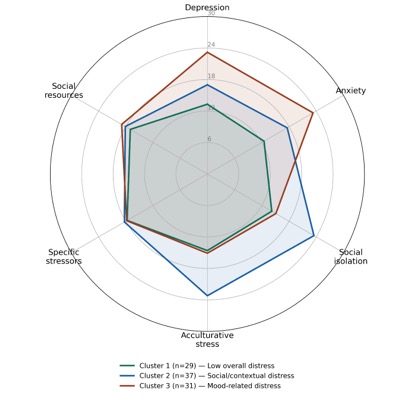
Figure 1 Radar of Average Psychological Scores by Cluster (3 clusters)
Discussion
This study provides new quantitative evidence on the mental health challenges facing Sub-Saharan African migrants in Tunisia, a population that remains severely understudied. Mean symptom scores across all dimensions fell above the theoretical scale midpoint, suggesting participants endorsed psychological distress symptoms at levels that, while not clinically validated, indicate meaningful symptom burden. We emphasize that without validated diagnostic instruments, established cut-offs, or normative reference data, we cannot estimate clinical prevalence rates or determine how these scores compare to general population norms. Future research with standardized measures (e.g., PHQ-9 ≥10 for moderate depression) is needed to establish true prevalence estimates in this population. These patterns align with risks well outlined by the biopsychosocial model (Engel, 1977; Silove et al., 2017) and many studies linking migration, precarity, and mental health (Hajak et al., 2021; Martin, 2023).
Social isolation and acculturative stress: a confirmed link, but not with depression
Contrary to what has often been reported in the migration literature, social isolation was not significantly associated with depressive symptoms in our sample (r = 0.014, p = 0.895). Instead, social isolation was strongly and significantly correlated with acculturative stress (r = 0.747, p < 0.001), suggesting that in this population isolation operates primarily through the pathway of acculturative difficulty rather than as a direct driver of depressive symptomatology. Social isolation here means both lack of contact (objective isolation) and feelings of loneliness or exclusion (subjective isolation). While isolation is widely reported to harm integration and wellbeing (Torabian, 2019; Nguyen et al., 2024; Bridger & Evans, 2019; Lim et al., 2022; Hajak et al., 2021), our findings suggest that, at least cross-sectionally and in this sample, its effects may be channelled through acculturation-related stress rather than acting as an independent determinant of mood symptoms.
In Tunisia, though, some cultural and community factors may help explain why isolation did not translate directly into depressive symptoms in this sample. Transnational networks, the use of technology, and solidarity within the diaspora appear to provide resilience resources. These might be overlooked by standard Western measures and invites us to rethink how social isolation is measured and adapt tools to African realities, which are more collective and community-based than typical Western scales assume (Berkman & Glass, 2000).
Gender specificity: male vulnerability to social isolation and acculturative stress
One notable finding of this study is the unexpectedly higher vulnerability of men to social isolation and acculturative stress (both p < 0.05), whereas depressive symptoms did not differ significantly by gender (p = 0.955). This is a different pattern from most epidemiological research, which generally reports higher depression prevalence among women (Hollander et al., 2011); in our sample, depression showed no gender gap, while men appeared specifically more vulnerable in the social and contextual domains. In precarious migration contexts, however, similar patterns of male vulnerability have been observed (Martin, 2023; Silove et al., 2017). Several mechanisms may account for this trend. Traditional masculine roles—particularly those emphasizing economic provision and social responsibility—are profoundly challenged by the realities of exile, administrative obstacles, and chronic job insecurity. These disruptions can trigger identity conflict and moral suffering (Hollander et al., 2011; Hajak et al., 2021). Moreover, men often express distress less openly and are less likely to seek psychological or social support, which may compound their sense of isolation and their difficulty coping with acculturative demands (Touzel et al., 2025). In contrast, migrant women frequently rely on stronger informal networks and show greater willingness to seek help, which may serve as protective resources. Together, these observations underscore the importance of gender-sensitive clinical approaches that explicitly address male-specific vulnerability to social disconnection and acculturative stress in migratory situations (Silove et al., 2017).
Effects of length of stay: persistent vulnerability
Our analysis revealed no significant differences in mental health scores across duration-of-residence groups (< 12 months, 12–36 months, > 36 months), whether length of stay was treated categorically or as a continuous variable (see Results). This absence of significant association should be interpreted cautiously given the modest size of some subgroups (e.g., n=16 for >36 months); it does not by itself establish that time spent in Tunisia has no effect on psychological wellbeing, only that no effect was detected in this sample.
Within Tunisia's migration landscape, this pattern is meaningful. The absence of improvement over time likely reflects the country's status as a transit space for many migrants—a temporary waypoint rather than a permanent destination offering genuine opportunities for social anchoring. This intermediary condition feeds uncertainty and instability, preventing sustained integration. The lack of legal status for most participants compounds this vulnerability.
From a clinical perspective, the persistence of psychological distress suggests that suffering is not confined to an initial "arrival shock." It endures because of ongoing structural constraints: restricted integration prospects, everyday discrimination, limited resource access, and reliance on short-term survival strategies. In this context, time alone does not heal. Without targeted interventions and improvements in living conditions, mental health trajectories risk remaining static—or worsening over time.
Heterogeneity of psychological profiles
Our cluster analysis underscores how distress in this group organises along two largely independent dimensions — mood symptoms (depression and anxiety) versus social and contextual stress (isolation and acculturative stress) — rather than along a single continuum of severity modulated by variable psychosocial resources. Cluster 1 represented a relatively low-distress profile, with consistently low scores on both dimensions. Cluster 2, by contrast, pointed to a distress profile driven primarily by social and contextual factors — elevated isolation and acculturative stress — rather than by internal psychological symptoms, which remained comparatively moderate. Cluster 3 showed the reverse configuration, suggesting a profile dominated by mood-related suffering (elevated depression and anxiety) rather than by social disconnection. Psychosocial resources and specific stressors did not differ meaningfully across clusters, suggesting that this dimension operates somewhat independently of the specific distress profile a person presents with. This insight matters for practice: a single intervention model is unlikely to meet the needs of everyone, and support has to be shaped around whether a person's distress is primarily mood-related, primarily social/contextual, or comparatively low on both. In some cases, migrants may need more intensive psychological care targeting mood symptoms; in others, the priority may be interventions addressing social disconnection and acculturative demands specifically. Given the exploratory design, modest sample size, and the modest cluster separation already noted in Results, these patterns should still be viewed as provisional, and larger studies will be needed before they can guide clinical decisions with confidence.
Clinical and policy implications
These results invite a rethinking of migrant mental health policies in Tunisia and similar contexts. Given that men in this sample showed elevated social isolation and acculturative stress but not depression, outreach efforts may be more effective if framed around practical, non-clinical entry points (e.g., legal counselling, employment support) rather than mental health services alone, which men may be less inclined to access directly. Services need to be explicitly gender- and culture-sensitive, paying attention to male-specific vulnerability to social isolation and acculturative stress, and to culturally shaped expressions of suffering (Hajak et al., 2021). Interventions should also take seriously the complexity of support sources among African migrants, including transnational ties, diaspora solidarity, and religious or community-based practices (Nguyen et al., 2024). In this study, participants most often identified diaspora networks, faith-based support, and informal mutual aid as key psychosocial resources, but the measure used focused on perceived availability rather than actual use. Some migrants may recognise potential sources of help without turning to them, for example because of mistrust, stigma, or practical barriers. Addressing structural determinants of mental distress therefore remains essential, particularly legal precarity, discrimination, and obstacles to employment and mental healthcare (Côté-Olijnyk et al., 2024), including the mental health toll of occupational downgrading documented among undocumented migrants elsewhere (Devillanova et al., 2024). The finding that psychosocial resources were significantly higher among migrants with pending regularisation status than among those with regular status (Table 7) suggests that the process of seeking legal recourse — rather than status itself — may mobilise coping resources; policies that keep such procedures accessible and non-punitive could therefore have mental health benefits beyond their legal function. In this perspective, community strategies that strengthen migrant associations, trusted intermediaries, and collective support rituals appear crucial to counter social isolation and, more broadly, to reinforce informal social networks and community-based structures that can foster resilience and reduce psychological vulnerability.
Limitations of the study
This study stands out for its use of standardised measurement tools combined with a rigorous statistical approach in a context that is both sensitive and difficult to access. The recruitment strategy, spanning diverse neighbourhoods and participant profiles, allowed us to build a richer picture of the realities faced by sub-Saharan African migrants living in Greater Tunis. By integrating multiple dimensions of mental health — depression, anxiety, social isolation, acculturative stress and psychosocial resources — our analysis captures the complexity of their psychosocial condition in a nuanced and realistic way.
That said, we recognize several limitations. Interview conditions varied somewhat by recruitment location, which may have introduced a degree of contextual variability; at the same time, it was precisely this pragmatic, field-based approach that allowed us to reach a population that more controlled procedures would likely have missed altogether. On the analytical side, we chose to rely on multiple independent ANOVAs rather than multivariate methods, a decision that limits inference since it does not account for intercorrelations among outcomes or for the accumulation of Type I error across tests; this was appropriate for an initial, descriptive exploration of the data, but it does not offer the level of rigour that predictive or explanatory modelling would require. The cross-sectional design further means that none of the relationships we observed can be read causally. We should also note that our measure of social isolation, although psychometrically sound in this sample, was developed within a Western conceptual tradition and may not fully capture the more collective, community-embedded forms that isolation and belonging can take among African migrant communities. Because we relied exclusively on self-report, there is also room for social desirability bias, which may have been more pronounced among participants with irregular migration status, for whom disclosure carries real risk. Finally, since recruitment was confined to the Greater Tunis area, our findings cannot be extended to migrant populations elsewhere in the country, who face their own distinct local realities.
Two further gaps concern the scope of what we chose to measure. While the biopsychosocial model informed our overall framework, we did not include any dedicated biological measures — physiological or clinical markers of stress, for instance — so this dimension is reflected only indirectly, through the somatic items embedded in our anxiety scale; this limits how fully we were able to operationalise that part of the model. We also did not include a validated measure of post-traumatic stress disorder. This was not part of our original scope, but given how often traumatic exposure is reported among migrants moving through precarious transit contexts, its absence is a real gap — one that future work, using an instrument such as the PCL-5, should address directly.
The most consequential limitation, however, remains our inability to estimate clinical prevalence or determine diagnostic caseness. Without validated cut-off scores, we cannot say what proportion of participants would meet diagnostic criteria for depression, anxiety, or any other disorder. Mean scores sitting above the theoretical midpoint of each scale point to a substantial symptom burden, but they are not epidemiological prevalence data, and any reference to "high" or "elevated" scores in this paper should be read as relative to the scale's own range rather than to clinical thresholds or population norms. Our findings are best understood as a descriptive account of symptom endorsement in this sample, not as clinical prevalence estimates — an important nuance that future research should resolve through validated instruments with established diagnostic thresholds, such as the PHQ-9 (≥10) or GAD-7 (≥10), which would allow for genuinely clinically meaningful interpretation.
Lastly, we did not have access to a formal ethics review board at the time of data collection, and the study therefore proceeded without a formal ethics approval or exemption certificate. We made every effort to uphold recognised ethical principles throughout — informed consent, anonymity, voluntary participation, and heightened caution given participants' legal precarity (see Ethics Statement) — but we acknowledge that the absence of independent institutional oversight remains a limitation of this work.
Research perspectives
Several avenues could deepen understanding of migrant mental health in North Africa. Longitudinal designs would make it possible to follow trajectories of adaptation over time and to compare situations of transit or exile with more settled forms of migration. Mixed method approaches, combining quantitative measurement with qualitative exploration of lived experience, informal support networks and the meaning attributed to migration, would offer a more complete picture. Particular attention should be given to culturally adapting and validating instruments that capture forms of isolation, resilience and collective resources specific to African societies. There is also a need for intervention research evaluating culturally sensitive, community based and gender responsive clinical models. Comparative studies in different national settings could help distinguish what is specific to Tunisia from patterns driven by broader regional or global dynamics of migration and mental health.
Our study objectives were necessarily constrained by sample size and the exploratory nature of the design; more ambitious questions, such as modelling intersecting relationships between determinants, would require multivariate approaches with larger samples. Going forward, pre registered, hypothesis driven studies with clearly specified analytic plans would allow more robust, confirmatory inferences and complement the descriptive insights generated here by testing specific mechanistic pathways.
From an intervention perspective, future work should prioritise community based programmes that build on peer and family support networks, religious and spiritual resources, and adaptive coping strategies such as cognitive reframing and positive thinking, which are often linked to resilience in refugee populations (Paudyal et al., 2023). Pilot trials of culturally adapted group interventions delivered through diaspora organisations would be particularly informative, as would studies examining how transit migration contexts shape the effectiveness and acceptability of such programmes (Siviş et al., 2024). Methodologically, there is a strong case for moving beyond univariate descriptive comparisons towards multivariate frameworks—such as MANCOVA, multivariate regression or structural equation modelling—that can model interdependencies between depression, anxiety, isolation and acculturative stress while adjusting for demographic and contextual covariates. Such approaches would allow a more nuanced understanding of how risk and protective factors jointly shape mental health profiles in this population.
Conclusions
This study offers an initial quantitative portrait of mental health among sub-Saharan African migrants in Greater Tunis, a population that has received limited empirical attention. Participants reported symptom levels around theoretical scale midpoints across depression, anxiety, social isolation and acculturative stress, indicating a substantial psychological burden even if clinical prevalence cannot be established without validated diagnostic instruments. Three findings warrant particular attention: a significant association between social isolation and acculturative stress rather than depression, unexpectedly higher social isolation and acculturative stress scores among men compared to women (with no gender difference in depression itself), and the identification of three distinct distress profiles — organised along two largely independent dimensions of mood-related and social/contextual distress — that reveal considerable heterogeneity within this population.
What stands out most is the persistence of distress over time. No significant differences in depression, anxiety or social isolation emerged between recent arrivals and those who had been in Tunisia for more than three years, and no dimension — including acculturative stress — showed a statistically significant decline when length of stay was analysed as a continuous variable (all p > 0.20). Taken together, these patterns suggest that psychological suffering is rooted less in short-term adjustment difficulties than in chronic structural conditions. In a setting where Tunisia functions primarily as a transit space rather than a stable destination, legal precarity, discrimination and restricted access to employment and healthcare tend to remain constant regardless of length of residence.
The implications extend beyond clinical practice. Mental health services need to be culturally grounded, gender-sensitive and accessible irrespective of legal status, yet psychological care on its own cannot address distress produced by structural exclusion. Pathways to legal regularisation, protection from discrimination and the integration of mental health considerations into migration policy are essential if responses are to target underlying causes rather than symptoms alone.
Community structures remain important in this landscape, even though our cluster analysis did not find that perceived psychosocial resources tracked with lower distress: resource levels were statistically comparable across all three distress profiles, and were not significantly correlated with depression, anxiety, isolation or acculturative stress. This suggests that, in this sample, the availability of psychosocial resources operates somewhat independently of symptom severity rather than straightforwardly buffering it — a finding that itself deserves further investigation, since it runs against common assumptions about resilience factors. Diaspora associations, faith communities and informal mutual aid networks already provide much of the practical and emotional assistance available to migrants, often compensating for gaps in formal services. Strengthening these community-based systems should therefore be seen as a strategy worth pursuing on its own social and humanitarian merits, rather than one directly justified by our cluster findings.
This research provides empirical grounding for further work but also highlights important gaps. The cross-sectional design precludes causal inference, and the abbreviated scales used here, although reliable, limit direct comparison with standard instruments and do not permit robust prevalence estimates. The exploratory analyses reported should be followed by hypothesis-driven, longitudinal and intervention-focused studies that use culturally validated tools, test community-based approaches in transit contexts and examine how structural and psychosocial factors jointly shape mental health trajectories.
Migration flows through North Africa continue to intensify, and responses from receiving countries will determine whether borders can be managed while respecting human dignity. The psychological distress documented in this study is consistent with the view that at least part of this distress is preventable and linked to modifiable structural conditions, rather than an inevitable consequence of migration itself. Addressing these patterns will require political commitment, coordination across health, social and legal sectors, and sustained investment in interventions informed by both rigorous evidence and the knowledge of migrant communities.
Author Contributions
The author conceived and designed the study, carried out all stages of data collection in the field, performed the statistical analyses, and interpreted the results. The author also drafted and revised the manuscript in its entirety, taking full responsibility for the integrity and accuracy of the work.
Use of AI Technology
The author used AI-based tools to support language refinement, verify the coherence of interpretations related to statistical models, generate summaries of selected academic references, and assist in the preparation of this manuscript.
Funding
This research received no specific grant from any funding agency.
Ethics Statement
The study involved voluntary and anonymous participation of individuals responding to a mental health questionnaire. All participants provided informed consent prior to taking part in the study, after being informed of the study's purpose, the voluntary nature of participation, and their right to withdraw at any time without consequence. Anonymity and confidentiality of personal information were strictly guaranteed throughout data collection, storage, and analysis, and participation was entirely voluntary. No financial or material compensation was provided. No formal institutional or national ethics review board was available to the authors at the time of data collection, and no ethics exemption certificate was therefore issued. The study was instead conducted in accordance with the ethical principles outlined in the Declaration of Helsinki, including respect for participant autonomy, minimisation of risk, and protection of vulnerable populations. Given the precarious legal status of many participants, particular care was taken to avoid collecting any information that could be used to identify or expose individuals, and interviewers were trained to end the interview immediately upon any sign of distress or reluctance. The absence of a formal ethics board review is acknowledged as a limitation of this study.
Data Availability Statement
The anonymised dataset generated and analysed during the current study is available on Zenodo: https://doi.org/10.5281/zenodo.16898336
Competing Interests
The author declares no competing interests.
Acknowledgements
The author warmly thanks all participants for their trust and openness, as well as the local organisations and migrant community leaders whose support helped make recruitment possible. Particular appreciation is extended to the cultural mediators and field assistants whose involvement ensured that data collection was conducted with respect, cultural sensitivity, and care.
References
Ben Abid, I., Ouali, U., Ben Abdelhafidh, L., & Peterson, C. E. (2023). Knowledge, attitudes and mental health of sub-Saharan African migrants living in Tunisia during COVID-19 pandemic. Current Psychology, Advance online publication, 1–13. https://doi.org/10.1007/s12144-023-04607-z
Berkman, L. F., & Glass, T. (2000). Social integration, social networks, social support, and health. In L. F. Berkman & I. Kawachi (Eds.), Social Epidemiology (pp. 137–173). Oxford University Press.
Berry, J. W. (1997). Immigration, acculturation, and adaptation. Applied Psychology, 46(1), 5–34. https://doi.org/10.1111/j.1464-0597.1997.tb01087.x
Bridger, O., & Evans, R. (2019). Tackling loneliness and social isolation in Reading (Research Report). Participation Lab, University of Reading. https://images.reading.gov.uk/2020/10/Bridger-and-Evans-2019-Tackling-Loneliness-in-Reading-report.pdf.
Bronfenbrenner, U. (1979). The ecology of human development: Experiments by nature and design. Harvard University Press.
Côté-Olijnyk, M., Perry, J. C., Paré, M. È., & Kronick, R. (2024). The mental health of migrants living in limbo: A mixed-methods systematic review with meta-analysis. Psychiatry Research, 337, 115931. https://doi.org/10.1016/j.psychres.2024.115931
Devillanova, C., Franco, C., & Spada, A. (2024). Downgraded dreams: Labor market outcomes and mental health in undocumented migration. SSM - Population Health, 26, 101652. https://doi.org/10.1016/j.ssmph.2024.101652
Engel, G. L. (1977). The need for a new medical model: A challenge for biomedicine. Science, 196(4286), 129–136. https://doi.org/10.1126/science.847460
Fadhlia, T. N., Doosje, B., & Sauter, D. A. (2025). The socio-ecological factors associated with mental health problems and resilience in refugees: A systematic scoping review. Trauma, Violence, & Abuse, 26(3), 598–616. https://doi.org/10.1177/15248380241284594
Gargano, M. C., Ajduković, D., & Vukčević Marković, M. (2022). Mental health in the transit context: Evidence from 10 countries. International Journal of Environmental Research and Public Health, 19(6), 3476. https://doi.org/10.3390/ijerph19063476
Global Initiative Against Transnational Organized Crime. (2024). Tunisia: Irregular migration reaches unprecedented levels. GI-TOC. https://globalinitiative.net/wp-content/uploads/2024/06/Tunisia-Irregular-migration-reaches-inprecedented-levels-GI-TOC-August-2024.pdf
Hajak, V. L., Sardana, S., Verdeli, H., & Grimm, S. (2021). A systematic review of factors affecting mental health and well-being of asylum seekers and refugees in Germany. Frontiers in Psychiatry, 12, 643704. https://doi.org/10.3389/fpsyt.2021.643704
Hansen, T., Nes, R. B., Hynek, K., et al. (2024). Tackling social disconnection: An umbrella review of RCT-based interventions targeting social isolation and loneliness. BMC Public Health, 24, 1917. https://doi.org/10.1186/s12889-024-19396-8
Hollander, A.-C., et al. (2011). Gender-related mental health differences between refugees and non-refugee immigrants: A cross-sectional register-based study. BMC Public Health, 11, 180. https://doi.org/10.1186/1471-2458-11-180
Lim, M., Van Hulst, A., Pisanu, S., & Merry, L. (2022). Social isolation, loneliness and health: A descriptive study of the experiences of migrant mothers with young children (0–5 years old) at La Maison Bleue. Frontiers in Global Women's Health, 3, 823632. https://doi.org/10.3389/fgwh.2022.823632
Lumley, M., Katsikitis, M., & Statham, D. (2018). Depression, anxiety, and acculturative stress among resettled Bhutanese refugees in Australia. Journal of Cross-Cultural Psychology, 49(8), 1269-1282. https://doi.org/10.1177/0022022118786458
Martin, F. (2023). The mental health of adult irregular migrants to Europe: A systematic review. Journal of Immigrant and Minority Health, 25(2), 427–435. https://doi.org/10.1007/s10903-022-01379-9
Nguyen, T. P., Al Asaad, M., Sena, M., & Slewa-Younan, S. (2024). Loneliness and social isolation amongst refugees resettled in high-income countries: A systematic review. Social Science & Medicine, 360, 117340. https://doi.org/10.1016/j.socscimed.2024.117340
Nowak, A. C., Nutsch, N., Brake, T. M., Gehrlein, L. M., & Razum, O. (2023). Associations between postmigration living situation and symptoms of common mental disorders in adult refugees in Europe: updating systematic review from 2015 onwards. BMC Public Health, 23(1), 1289. https://doi.org/10.1186/s12889-023-15931-1
Paudyal, P., Purkait, N., & Fey, J. (2023). Mental health resilience among refugees and asylum seekers: A systematic review. European Journal of Public Health, 33 (Supplement_2), ckad160.1628. https://doi.org/10.1093/eurpub/ckad160.1628
Roberts, A. (2023). The biopsychosocial model: Its use and abuse. Medicine, Health Care and Philosophy, 26(3), 367–384. https://doi.org/10.1007/s11019-023-10150-2
Silove, D., Ventevogel, P., & Rees, S. (2017). The contemporary refugee crisis: An overview of mental health challenges. World Psychiatry, 16(2), 130–139. https://doi.org/10.1002/wps.20438
Siviş, S., Brändle, V. K., Eberl, J.-M., Wyatt, S., Braun, K., Metwally, I., & Boomgaarden, H. G. (2024). Oscillating between hope and despair: Understanding migrants' reflections on ambivalence in 'transit'. Journal of Immigrant & Refugee Studies. https://doi.org/10.1080/15562948.2024.2337196
Small Arms Survey. (2024). Security over people: Tunisia's immigration crisis – Situation update October 2024. Small Arms Survey, Graduate Institute of International and Development Studies. https://www.smallarmssurvey.org/resource/security-over-people-tunisias-immigration-crisis
Torabian, D. (2019). Home and healing in the in-between: Migrant and refugee mental health in Tunisia (Independent Study Project No. 3055). SIT Digital Collections. https://digitalcollections.sit.edu/cgi/viewcontent.cgi?article=4082&context=isp_collection
Touzel, V., Reifegerste, D., Bozorgmehr, K., & Biddle, L. (2025). Impact of social isolation on mental health changes by socio-economic status: A moderated mediation analysis among non-migrant, migrant, and refugee subpopulations in Germany, 2016–2020. SSM - Population Health, 31, 101822. https://doi.org/10.1016/j.ssmph.2025.101822
UNHCR. (2024). Tunisia: Operational update June–August 2024. United Nations High Commissioner for Refugees. https://reliefweb.int/report/tunisia/unhcr-tunisia-operational-update-june-august-2024
Yun, S., Ahmed, S. R., Hauson, A. O., & Al-Delaimy, W. K. (2021). The relationship between acculturative stress and postmigration mental health in Iraqi refugee women resettled in San Diego, California. Community mental health journal, 57(6), 1111-1120. https://doi.org/10.1007/s10597-020-00739-9
STROBE Statement—checklist of items that should be included in reports of observational studies
|
1 |
(a) Indicate the study’s design with a commonly used term in the title or the abstract |
1 |
||
|
(b) Provide in the abstract an informative and balanced summary of what was done and what was found |
1 |
|||
|
2 |
Explain the scientific background and rationale for the investigation being reported |
2 |
||
|
3 |
State specific objectives, including any prespecified hypotheses |
2 |
||
|
4 |
Present key elements of study design early in the paper |
1&5 |
||
|
5 |
Describe the setting, locations, and relevant dates, including periods of recruitment, exposure, follow-up, and data collection |
5 |
||
|
Participants |
6 |
(a) Cross-sectional study—Give the eligibility criteria, and the sources and methods of selection of participants |
5 |
|
|
(b) For matched studies, give matching criteria and number of exposed and unexposed |
Not applicable |
|||
|
7 |
Clearly define all outcomes, exposures, predictors, potential confounders, and effect modifiers. Give diagnostic criteria, if applicable |
5 |
||
|
8* |
For each variable of interest, give sources of data and details of methods of assessment (measurement). Describe comparability of assessment methods if there is more than one group |
5 |
||
|
9 |
Describe any efforts to address potential sources of bias |
5 & 6 |
||
|
10 |
Explain how the study size was arrived at |
3 |
||
|
11 |
Explain how quantitative variables were handled in the analyses. If applicable, describe which groupings were chosen and why |
4&5 |
||
|
Statistical methods |
12 |
(a) Describe all statistical methods, including those used to control for confounding |
6 |
|
|
(b) Describe any methods used to examine subgroups and interactions |
6 |
|||
|
(c) Explain how missing data were addressed |
5 |
|||
|
(d) Cross-sectional study—describe analytical methods taking account of sampling strategy |
5 |
|||
|
(e) Describe any sensitivity analyses |
Not applicable |
|||
|
Results |
||||
|
13* |
(a) Report numbers of individuals at each stage of study—eg numbers potentially eligible, examined for eligibility, confirmed eligible, included in the study, completing follow-up, and analysed |
Nearly 300 individuals were approached, but only 97 completed the interview. |
||
|
(b) Give reasons for non-participation at each stage |
Several individuals declined or withdrew, most often out of apprehension linked to their legal situation or due to time constraints (see Methods). |
|||
|
no flow diagram was used in this study. |
||||
|
14* |
(a) Give characteristics of study participants (eg demographic, clinical, social) and information on exposures and potential confounders |
Sociodemographic and migratory characteristics of participants are presented in Table 1, page 7 |
||
|
(b) Indicate number of participants with missing data for each variable of interest |
No missing data were observed for key variables (one incomplete record was excluded prior to analysis, N = 97) |
|||
|
(c) Cohort study—Summarise follow-up time (eg, average and total amount) |
Not applicable |
|||
|
15* |
Cohort study—Report numbers of outcome events or summary measures over time |
Not applicable |
||
|
Case-control study—Report numbers in each exposure category, or summary measures of exposure |
Not applicable |
|||
|
Cross-sectional study—Report numbers of outcome events or summary measures |
Outcome data are presented as summary measures (mean scores, standard deviations, medians) for key psychological dimensions: (pages 7 to 10 ) |
|||
|
16 |
(a) Give unadjusted estimates and, if applicable, confounder-adjusted estimates and their precision (eg, 95% confidence interval). Make clear which confounders were adjusted for and why they were included |
No adjusted models were used |
||
|
(b) Report category boundaries when continuous variables were categorized |
Continuous variables were retained as scores |
|||
|
(c) If relevant, consider translating estimates of relative risk into absolute risk for a meaningful time period |
Not applicable |
|||
|
17 |
Report other analyses done—eg analyses of subgroups and interactions, and sensitivity analyses |
Additional analyses included subgroup comparisons by gender, length of stay, and legal status (ANOVA); a complementary linear regression treating length of stay as a continuous variable; and a K-means cluster analysis identifying three distress profiles. |
||
|
18 |
Summarise key results with reference to study objectives |
No significant association was found between social isolation and depressive symptoms; instead, the strongest associations identified were between depression and anxiety, and between social isolation and acculturative stress. Men showed significantly higher social isolation and acculturative stress than women, with no gender difference in depression. |
||
|
19 |
Discuss limitations of the study, taking into account sources of potential bias or imprecision. Discuss both direction and magnitude of any potential bias |
Study limitations include selection bias resulting from the recruitment approach, as well as the absence of formal clinical data to validate psychological diagnoses. |
||
|
20 |
Give a cautious overall interpretation of results considering objectives, limitations, multiplicity of analyses, results from similar studies, and other relevant evidence |
The levels of psychological distress align with existing literature on vulnerable migrant populations. Observed correlations are interpreted as indicators of psychosocial vulnerability, without inferring causal relationships. |
||
|
21 |
Discuss the generalisability (external validity) of the study results |
The generalisability of findings is limited by the specific context of the study (Tunisia, vulnerable migrants) |
||
|
22 |
Give the source of funding and the role of the funders for the present study and, if applicable, for the original study on which the present article is based |
This study received no external funding |
||
|
|
|
|
|
|
Appendix — Full item list (36 items), organised by scale
Note. The questionnaire was originally prepared in French and administered orally by the interviewer during face-to-face interviews. Depending on the participant's preference and language proficiency, items were translated on the spot into Tunisian Arabic or English. The items below are presented in English for consistency with the manuscript; all items were rated on a 5-point Likert scale (1 = never, 5 = always).
Depression (Q1–Q6)
1. I feel sad or downcast without apparent reason
2. I have lost interest in activities I used to enjoy
3. I feel hopeless about my situation
4. I have difficulty concentrating
5. I feel persistently tired, even after resting
6. I have frequent negative thoughts about myself or my future
Anxiety (Q7–Q12)
7.
I feel nervous or on edge
8. I worry excessively about my situation in Tunisia
9. I experience heart palpitations when I feel stressed
10. I have difficulty falling asleep because of my worries
11. I avoid certain situations because they make me anxious
12. I feel physical tension or distress linked to anxiety
Social isolation (Q13–Q18)
13.
I feel alone even when surrounded by other people
14. It is difficult for me to create bonds with Tunisians
15. I feel excluded from social life around me
16. I feel that I lack people I can rely on for support
17. I feel disconnected from my own community here
18. I avoid social contact with others
Acculturative stress (Q19–Q24)
19.
I feel lost between my origin culture and Tunisian culture
20. The language barrier causes me daily stress
21. I feel judged negatively because of who I am
22. I experience conflicts between my cultural values and those around me
23. I feel like I am losing part of my identity
24. I feel painful nostalgia for my home country
Specific stressors (Q25–Q30)
25.
My legal status in Tunisia constantly worries me
26. My housing conditions affect my mental wellbeing
27. I feel uncertain about my future
28. Financial difficulties are a constant source of stress for me
29. I feel physically or personally unsafe in my daily life
30. Limited access to healthcare worries me
Social resources (Q31–Q36)
31.
I find ways to cope with my difficulties
32. My faith/spirituality helps me overcome trials
33. I can count on support from my family
34. I take part in community activities that help me feel supported
35. I feel hopeful about my future
36. I feel that my experience as a migrant has meaning
.