Global Institute for Mental Health Innovations, Networking and Development
Mental Health Open ISSN 3122-1181 Vol. 2 (2026). Issue 1.
DOI: https://doi.org/10.64257/6ka4x586
(c) Authors: Abdul Jalloh, Augustus Osborne, Dimitar Karadzhov
Community health workers’ perceptions of depression and barriers and facilitators to mental health care in Sierra Leone: A qualitative study {under peer review}
research article
Abdul Jalloh, School of Health and Wellbeing, College of Medical Veterinary & Life Sciences, University of Glasgow, United Kingdom (UK); Ministry of Health, Western area, Freetown, Sierra Leone; Department of Internal Medicine, College of Medicine and Allied Health Sciences, University of Sierra Leone; https://orcid.org/0000-0001-8756-6848
Augustus Osborne, Institute for Development, Western area, Freetown, Sierra Leone; https://orcid.org/0000-0002-0226-841X
Dimitar Karadzhov, School of Health and Wellbeing, College of Medical Veterinary & Life Sciences, University of Glasgow, United Kingdom (UK); https://orcid.org/0000-0001-8756-6848
Abstract
Background: Sierra Leone has a substantial mental health treatment gap, driven by limited resources, stigma, and a shortage of specialised personnel. Community health workers (CHWs) play an important role in frontline care, yet their mental health literacy and preparedness to support people with depression remain underexplored.
Objectives: Guided by the overarching question of how CHWs understand depression and account for the barriers to and facilitators of community mental health care, this study aimed to assess CHWs’ knowledge of depression, examine their perceptions of barriers and facilitators to mental health care in Sierra Leone, and explore their experiences of delivering care during the COVID-19 pandemic.
Methods: A qualitative descriptive study was conducted in 2022 with 10 CHWs recruited through purposive and snowball sampling from Freetown and Kono District, Sierra Leone. Data were collected through remote semi-structured interviews using a vignette describing depression with suicidality. A hybrid deductive and inductive thematic analysis following Braun and Clarke was undertaken using NVivo 12, generating 70 initial codes, 13 subthemes, and five themes. Sample adequacy was appraised using the information power framework rather than data saturation. The study followed the Consolidated Criteria for Reporting Qualitative Research (COREQ).
Results: Seven of the ten participants correctly identified the vignette as depression, two described it as stress, and one as anxiety. None of the ten participants identified the suicidal ideation described in the vignette as a clinical risk or marker of severity. All ten attributed the presentation exclusively to psychosocial and life circumstances, and no participant offered a biological, spiritual, or supernatural explanation or mentioned medication or longer-term treatment planning. Five themes were developed: mental health literacy, need for change, barriers to mental health care, accessing care, and the status of mental health care during COVID-19. Key barriers included stigma, misconceptions, poverty, weak planning and coordination, insufficient government support, and limited community awareness. Suggested facilitators included mental health training, community sensitisation, stronger policies, improved service integration, and greater system-level commitment.
Conclusions: CHWs demonstrated partial recognition of depression but a complete absence of spontaneous suicide risk identification, together with important gaps and understanding the broader clinical dimensions of depression. Strengthening CHW training, supervision, community engagement, and mental health system coordination may improve access to culturally responsive and effective mental health care in Sierra Leone.
Keywords: Mental health, Mental health literacy, Depression, Community health workers
Introduction
Depression is a leading cause of disability worldwide and remains a major contributor to the global burden of disease (World Health Organization [WHO], 2019). It can severely impair daily functioning and, when left untreated, may increase the risk of suicide. Suicide was the third leading cause of death among people aged 15 to 29 years globally in 2021; an estimated 727,000 people died by suicide in that year, and 73% of these deaths occurred in low- and middle-income countries (WHO, 2025). More broadly, mental disorders affect a substantial proportion of the global population, with recent estimates suggesting that 10.7% of people worldwide live with a mental disorder (Dattani et al., 2021). The burden is especially pronounced in low- and middle-income countries (LMICs), where over 85% of the world’s population resides and where mental disorders account for a significant proportion of years lived with disability and overall disease burden (Rathod et al., 2017).
Despite this burden, access to mental health care remains profoundly limited in many LMICs. More than 90% of people with mental health conditions in these settings do not receive appropriate care (Chibanda et al., 2020). Closing this treatment gap requires coordinated leadership, workforce development, public engagement, and contextually grounded research (Chibanda et al., 2020). In Africa, the challenge is particularly acute. Between 2000 and 2015, the continent’s population increased by approximately 49%, while years lived with disability due to mental and substance use disorders rose by 52% (Sankoh et al., 2018). However, mental health expenditure has not increased proportionately, contributing to chronic underinvestment in services (WHO, 2018a).
One important explanation for the treatment gap is limited mental health literacy. Mental health literacy refers to knowledge and beliefs about mental disorders that support their recognition, management, and prevention (Jorm et al., 1997; Jorm, 2000). Jorm et al. (1997) conceptualised mental health literacy as including the ability to recognise mental disorders, knowledge of risk factors and causes, beliefs about self-help and professional interventions, attitudes that facilitate recognition and help-seeking, and knowledge of how to access mental health information. Low mental health literacy has been associated with delayed help-seeking, stigma, and poor treatment engagement. In many settings, traditional and religious beliefs also shape understandings of mental illness and pathways to care, sometimes reinforcing non-biomedical explanations and delaying access to formal services (Atilola, 2015, 2016). Negative attitudes and misconceptions among both the general public and health workers can therefore present major barriers to effective care (Muslic et al., 2021).
The Jorm framework is well suited to the recognition, attribution, and help-seeking components of mental health literacy, but it was not designed to explain how services are organised, financed, or reached. In this study it is therefore bounded to the first objective, the assessment of CHWs knowledge and beliefs about depression, and is not treated as a complete account of the treatment gap. To interpret participants accounts of service-level and structural conditions, the study drew additionally on the patient-centred access framework of Levesque et al. (2013), which conceptualises access as a stepwise process spanning approachability, acceptability, availability and accommodation, affordability, and appropriateness, each paired with a corresponding ability on the population side. Using the two frameworks together allows mental health literacy to be treated as one determinant of access among several rather than as the sole explanation for low service use, and it provides the analytic vocabulary used in the discussion of Themes 2 to 5.
These issues are particularly relevant in Sierra Leone, where the mental health system operates under severe resource constraints. According to national estimates, Sierra Leone has a mental health treatment gap of approximately 98% (Harris et al., 2020). The country has experienced repeated collective trauma, including an 11-year civil war, the Ebola outbreak, mudslides, and the COVID-19 pandemic, all of which have contributed to increased psychosocial distress and mental health needs. A joint assessment by the WHO and the Ministry of Health and Sanitation (MoHS) reported a significant burden of mental health conditions, including psychosis, depression, and substance use disorders (MoHS, 2019). Yet service delivery remains limited by stigma, inadequate public awareness, insufficient funding, scarce specialist personnel, and the influence of cultural and religious beliefs on illness attribution and care-seeking (Fitts et al., 2020; Sharpe et al., 2021).
Although Sierra Leone introduced the National Mental Health Policy and Strategic Plan 2019–2023 to strengthen governance, build capacity, raise awareness, and decentralise services, specialist resources remain extremely limited (Hopwood et al., 2021). The country has one psychiatric hospital and only a very small number of specialist mental health professionals for a population of approximately 7.5 million, including two psychiatrists, two clinical psychologists, and 27 mental health nurses, of whom only four specialise in child and adolescent mental health (Harris et al., 2020; WHO, 2022). In practice, much of the burden of identifying, supporting, and referring people with mental health problems falls on community health workers (CHWs), who serve as frontline providers in many communities (Harris et al., 2020).
CHWs in Sierra Leone are generally lay workers who provide basic health support, promote access to services, and act as links between communities and the formal health system. Many have received some form of health training, including exposure to the WHO Mental Health Gap Action Programme (mhGAP), but there is no standardised national approach to mental health training for this cadre, and little is known about their preparedness to recognise and respond to common mental health problems such as depression (MoHS, 2016; Yoder et al., 2016). This evidence gap is important because CHWs are increasingly expected to contribute to mental health care in contexts where specialist services are scarce.
Research on mental health literacy among CHWs and primary care workers in sub-Saharan Africa remains limited, and evidence from Sierra Leone is particularly scarce (Marangu et al., 2021; Tekola et al., 2021). There is also limited qualitative evidence on how CHWs understand depression, how they perceive barriers and facilitators to mental health care in their communities, and how they experienced delivering care during the COVID-19 pandemic. Understanding these perspectives is important for informing training, service development, and policy reform in a setting with substantial unmet need.
This study was therefore guided by a single overarching research question: how do community health workers in Sierra Leone understand depression, and how do they account for the barriers to and facilitators of community mental health care, including under the conditions imposed by the COVID-19 pandemic? Three subsidiary objectives, each addressing one component of this question, were used to structure the enquiry. The study sought to:
1. assess CHWs’ knowledge of depression using Jorm’s mental health literacy framework;
2. examine CHWs’ perceptions of barriers and facilitators to mental health care in Sierra Leone; and
3. explore CHWs’ experiences of delivering mental health care during the COVID-19 pandemic.
These objectives are hierarchically ordered in relation to the central question rather than parallel to one another. The first establishes what CHWs know and believe about depression, applying the Jorm framework. The second and third situate that knowledge within the service environment in which CHWs work, drawing on the access framework of Levesque et al. (2013), first under routine conditions and then under the conditions imposed by an acute public health emergency. The unifying thread running through all three is the relationship between what CHWs are able to recognise and what the system around them enables them to do about it.
Methodology
This section outlines the design, setting, sampling, data collection, and analysis procedures used in the study. The study was reported in accordance with the Consolidated Criteria for Reporting Qualitative Research (COREQ) (Tong et al., 2007).
Study design
A qualitative descriptive design was used. This approach was considered appropriate because the study aimed to provide a rich, practice-oriented account of CHWs’ knowledge and experiences in a context where little prior research exists (Sandelowski, 2000). A qualitative descriptive design allowed the researchers to explore participants’ understandings of depression, perceived barriers and facilitators to care, and experiences during the COVID-19 pandemic in their own words.
Study setting
The study was conducted in Freetown and Kono District, Sierra Leone, in 2022. Freetown is the capital city and represents an urban setting, whereas Kono is a predominantly rural, diamond-producing district in the eastern part of the country (Adams et al., 2020). These sites were selected to capture potentially different experiences and perceptions of mental health care across urban and rural settings.
Participants and sampling
Participants were recruited using purposive sampling and snowball sampling (Patton, 2002). Eligible participants were CHWs who:
- were aged 18 years or older;
- were based in Freetown or Kono District;
- had worked in a public health facility for at least the previous 12 months;
- were able to communicate in English; and
- had experience of encountering mental health cases in their work.
Visiting CHWs and those without experience of mental health cases were excluded.
Ten CHWs participated in the study, with five recruited from Freetown and five from Kono. In Sierra Leone, CHWs are usually lay community-based workers who support health promotion, facilitate referrals, and accompany community members to care. Although they may receive basic training in different health areas, they do not usually hold formal qualifications in mental health beyond short training courses or workshops (MoHS, 2016).
Sample size and information power
Sample size was appraised prospectively, and reviewed during data collection, using the information power framework of Malterud et al. (2016) rather than by claiming data saturation. Saturation was not adopted as the criterion because the concept originates within grounded theory, where it forms part of constant comparison, and its transfer to qualitative descriptive work is contested and inconsistently operationalised. We therefore report the five dimensions of information power directly so that readers can judge the adequacy of the sample for themselves.
The aim of the study was narrow rather than exploratory, being restricted to CHWs understanding of a single presented condition and their accounts of a single service system. Sample specificity was high: every participant was a serving CHW with prior exposure to mental health cases in routine work, recruited purposively against explicit eligibility criteria, which concentrates relevant information in a small number of cases. The analysis was supported by established theory, using Jorm et al. (1997) as a deductive scaffold for the first objective, which reduces the number of participants needed to populate the analytic categories. Dialogue quality was supported by a single experienced clinician interviewer, by the use of a standard vignette that gave every participant an identical stimulus, and by transcript checking against the recordings. The analysis strategy was cross-case rather than in-depth narrative, which typically requires fewer participants than a case-based analysis. On these five grounds we judged ten interviews across two contrasting districts to hold sufficient information power for the stated aim.
We treat this as a boundary condition on the findings rather than as a claim of completeness. The dataset supports description of the range of accounts present among a specific and comparatively well-informed group of CHWs in two districts. It does not support estimation of how common any account is among CHWs nationally, and no such inference is drawn anywhere in this paper.
Recruitment procedures
Recruitment was facilitated through social workers attached to the Psychiatric Teaching Hospital in Sierra Leone. A study flyer was circulated through CHW WhatsApp groups, inviting interested individuals to contact the first author directly by email. The social workers helped to support local arrangements for interviews, including identifying private spaces and assisting with internet access where needed, but they did not have access to participants’ personal responses or interview data.
The first author screened interested individuals for eligibility through email correspondence. Eligible participants were then sent the participant information sheet and consent form, and a Zoom interview was scheduled. Thirteen CHWs initially expressed interest in participating, including six from Kono and seven from Freetown. The first five eligible respondents from each site were invited to participate. Ten interviews were ultimately conducted. Reasons for non-participation included illness (n = 2) and failure to return the study documents (n = 1).
Researcher characteristics and reflexivity
The first author conducted all interviews. At the time of the study, he was a psychiatrist and Mental Health Programme Manager at the Ministry of Health in Sierra Leone and was also affiliated with the University of Glasgow. This professional background supported contextual understanding of the mental health system and CHW roles. However, it may also have influenced participant responses, particularly if participants perceived the interviewer as a senior mental health professional or authority figure.
To minimise this risk, the interviewer used open-ended questions, emphasised that there were no right or wrong answers, and encouraged participants to speak freely about both strengths and challenges in service delivery. Reflexive attention was maintained throughout data collection and analysis, and an independent researcher co-coded a sample of transcripts to enhance analytic credibility.
Data collection
Data were collected in July 2022 through remote semi-structured interviews conducted via Zoom. Remote interviews were selected because of the practical uncertainties associated with the COVID-19 period and the feasibility of online qualitative interviewing across sites (Archibald et al., 2019; Falter et al., 2022; Oliffe et al., 2021). Although the first author was based in Scotland at the time of data collection, participants were interviewed from Sierra Leone.
Once interviews had been scheduled, participants received a Zoom link and a brief demographic questionnaire by email. To support participation, arrangements were made locally to provide a suitable device, internet access, data packages, and a private room where required. Written consent forms were signed electronically and returned before the interview. Oral confirmation of willingness to participate was also obtained at the start of each interview.
At the beginning of each interview, the researcher introduced the study, answered questions, and used brief rapport-building conversation to reduce anxiety. Participants were reminded that participation was voluntary and that they could withdraw at any time without consequence.
Interview guide and vignette
The interview guide was informed by Jorm’s mental health literacy framework (Jorm et al., 1997) and included a short vignette describing a hypothetical woman, “Yabome”, experiencing depression with suicidality (Reavley & Jorm, 2011; Prior et al., 2003). The vignette has been used internationally in research on mental health literacy and was reproduced with permission from the original authors (Karadzhov & White, 2020; Marangu et al., 2021; Reavley & Jorm, 2011).
Because the vignette was developed and validated in high-income Western settings, steps were taken to improve its contextual fit before use. The protagonist was given a locally common Sierra Leonean forename, and the descriptive content was reviewed by the first author, a Sierra Leonean psychiatrist and Mental Health Programme Manager, for consistency with the symptom vocabularies and social circumstances that CHWs encounter in routine practice in Sierra Leone. The clinical structure of the vignette was deliberately retained so that findings would remain comparable with prior studies using the same instrument in Scotland and Kenya (Karadzhov & White, 2020; Marangu et al., 2021). No formal cognitive interviewing or structured cultural adaptation procedure was undertaken with CHWs before fieldwork, and local idioms of distress were not systematically elicited or incorporated. This is a genuine methodological limitation rather than an omission in reporting, and it is stated as such in the limitations section. Because aetiological attributions and symptom vocabularies differ markedly across settings, a vignette that has not been cognitively tested locally may under-represent culturally salient framings of distress (Faregh et al., 2019; Mendenhall et al., 2019). The instrument should therefore be read as a standardised elicitation device supporting comparison across studies rather than as a culturally validated measure.
After hearing the vignette, participants were asked open-ended questions about:
- what they thought was wrong with Yabome;
- possible causes of her condition;
- appropriate sources of help and likely outcomes;
- similar cases encountered in practice;
- barriers and facilitators to mental health care in their communities; and
- experiences of delivering mental health care during the COVID-19 pandemic.
The diagnostic summary of the vignette was not disclosed until the debriefing stage. Interviews lasted between 30 and 60 minutes, with an average duration of approximately 30 minutes. All interviews were conducted in English, audio- and video-recorded with permission, anonymised, and transcribed verbatim using Zoom’s transcription function, followed by checking and cleaning of transcripts by the researcher.
Data analysis
The data were analysed using hybrid thematic analysis, combining deductive and inductive coding approaches (Fereday & Muir-Cochrane, 2006). This approach was selected to allow the study both to assess specific components of mental health literacy using a pre-existing framework and to identify broader patterns in participants’ experiences and perceptions emerging from the data.
For the first research objective, a deductive approach was used, drawing on Jorm et al.’s (1997) mental health literacy framework. The predefined coding categories included:
- conceptualisation of the mental health problem;
- aetiological attribution; and
- course of action, including beliefs about professional help and self-help interventions.
For the second and third research objectives, an inductive, data-driven thematic analysis was used to identify themes relating to barriers, facilitators, service experiences, and the effects of the COVID-19 pandemic.
The analysis followed the phases described by Braun and Clarke (2006). First, transcripts were read and re-read to support familiarisation with the data. Second, initial codes were generated in NVivo 12 (QSR International, 2020). Third, conceptually related codes were grouped into candidate themes. Fourth, themes were reviewed and refined in relation to both coded extracts and the full dataset. Fifth, themes and subthemes were defined and named. Finally, the findings were written up with supporting quotations selected to illustrate key patterns in the data.
Coding was conducted at the semantic level across all ten transcripts. Phase 2 generated 70 initial codes. In Phase 3 these were sorted into 13 candidate subthemes and five candidate themes. In Phase 4 the candidate structure was checked against both the coded extracts and the full dataset; refinement at this stage involved relabelling subthemes and reallocating codes between them, and no candidate theme was discarded or collapsed into another. Phase 5 fixed the final definitions and names of the five themes and 13 subthemes, and Phase 6 produced the written account presented below. Table 2 sets out the full progression from initial codes through subthemes to final themes, so that readers can follow the analytical decisions rather than take them on trust.
To enhance credibility, 20% of a random sample of anonymised transcripts was independently co-coded by a second researcher (Campbell et al., 2013). No substantial discrepancies were identified, and the coding process was discussed to confirm consistency in interpretation.
Reporting of frequency
Because the sample was small, a fixed convention for reporting frequency was adopted and is applied consistently throughout the results. Exact counts are given for the framework-coded findings under Theme 1, where every participant responded to the same standard prompt about the same vignette and a count is therefore meaningful and complete. For the inductively derived Themes 2 to 5, where accounts were volunteered rather than elicited by a fixed question and the absence of a statement cannot be read as disagreement, verbal quantifiers are used with the following defined ranges: all (10 participants), most (7 to 9), several (4 to 6), a few (2 to 3), and one (1). Percentages are not used in the narrative text. With a denominator of ten, a percentage conveys no more information than the count while implying a precision that the design cannot support, and it invites inappropriate comparison with survey estimates derived from far larger samples.
Results
This section presents participants’ characteristics followed by the five themes generated from the hybrid thematic analysis. The themes were: (1) mental health literacy, (2) need for change, (3) barriers to mental health care delivery, (4) accessing mental health care, and (5) the status of mental health care during COVID-19.
Participant characteristics
Table 1 summarises the demographic characteristics of the 10 participating CHWs. Six were male and four were female. Five were aged under 30 years, two were aged 31 to 40 years, and three were aged 41 to 50 years. Five held a university degree, three a diploma, and two a certificate. Six had fewer than five years of experience in community health service. Four reported supervising others, while eight reported that they themselves had been supervised. Four managed between 21 and 30 patients per month, three managed between 10 and 20, two between 31 and 40, and one between 41 and 50. Seven had received some form of formal mental health training, mainly through short courses or workshops. Recruitment was evenly divided, with five participants from Freetown and five from Kono.
Table 1. Participant demographic characteristics
|
Demographic factor |
Frequency |
|
Gender |
|
|
Male |
6 |
|
Female |
4 |
|
Age |
|
|
Less than 30 years |
5 |
|
31–40 years |
2 |
|
41–50 years |
3 |
|
Highest level of education |
|
|
Certificate |
2 |
|
Diploma |
3 |
|
Degree |
5 |
|
Years of experience |
|
|
<5 years |
6 |
|
≥5 years |
4 |
|
Supervise others |
|
|
Yes |
4 |
|
No |
6 |
|
Have been supervised |
|
|
Yes |
8 |
|
No |
2 |
|
District of work |
|
|
Freetown |
5 |
|
Kono |
5 |
|
Patients managed per month |
|
|
10–20 patients |
3 |
|
21–30 patients |
4 |
|
31–40 patients |
2 |
|
41–50 patients |
1 |
|
Received formal mental health training |
|
|
Yes |
7 |
|
No |
3 |
Note. Formal mental health training mainly consisted of short-term training sessions and workshops. Percentages are not reported because, with a denominator of ten, a percentage conveys no more information than the count while implying a precision the design cannot support.
Overview of themes
The thematic map illustrated the interrelationships between the five themes and their subthemes. Across the dataset, participants emphasised that the central need in their communities was equitable access to mental health care. This need was shaped by two broad influences: first, the level of mental health literacy among CHWs and community members; and second, the extent to which health systems, families, and community institutions supported mental health care. The themes therefore reflected both individual-level knowledge and broader structural conditions affecting access, help-seeking, and service delivery.
Figure 1 presents the thematic map, showing the interrelationships between the five themes and their 13 subthemes. Across the dataset, participants emphasised that the central need in their communities was equitable access to mental health care. This need was shaped by two broad influences: first, the level of mental health literacy among CHWs and community members; and second, the extent to which health systems, families, and community institutions supported mental health care. The themes therefore reflected both individual-level knowledge and broader structural conditions affecting access, help-seeking, and service delivery. Table 2 sets out the full analytical progression from initial codes through subthemes to final themes, and Table 3 summarises the five themes, their subthemes, and a representative extract for each.
Table 2. Progression from initial codes to subthemes and final themes
|
Final theme |
Subtheme |
Initial codes collapsed into the subtheme (n) |
|
1. Mental health literacy |
Conceptualisation of the mental health problem |
Naming the presentation as depression; naming it as stress; naming it as anxiety; describing mood and functioning without applying a label; non-recognition of suicidal ideation as a marker of risk (n = 5) |
|
|
Aetiological attribution |
Childlessness as cause; marital status as cause; loneliness and isolation as cause; absence of family support as cause; absence of biological attribution; absence of spiritual or supernatural attribution (n = 6) |
|
|
Course of action |
Counselling as first response; referral to a mental health facility; referral to a psychiatrist or specialist; family accompaniment and support; talking and reassurance; deterioration if untreated; suicide as an untreated outcome; absence of medication or longer-term treatment planning (n = 8) |
|
2. Need for change |
Compounded reactions |
Satisfaction from community engagement; confidence built through practice; community rejection of mental health messaging; difficulty persuading households; supernatural framing as an obstacle to teaching; supportive relatives; disengaged relatives; religious leaders enabling referral; religious leaders obstructing referral (n = 9) |
|
|
They are human |
Empathy through perspective-taking; equal treatment as an entitlement; distress at mistreatment by others; inclusion and social connection (n = 4) |
|
3. Barriers to mental health care delivery |
Awareness concerns |
Stigma and isolation following disclosure; stigma among educated community members; discrimination as a key barrier; spiritual explanatory models; witchcraft attribution; unwillingness to receive information (n = 6) |
|
|
Structural barriers |
Absence of specialised systems; workforce shortage; weak planning and policy processes; poverty and loss to follow-up; marginalisation of patients; low visibility of the district health management team; low central government prioritisation; overstretched national directorate; perceived urban and rural differences (n = 9) |
|
4. Accessing mental health care |
Community sensitisation |
Awareness campaigns; early presentation instead of traditional medicine; use of community and religious gatherings; media messaging (n = 4) |
|
|
Capacity-building |
Training for CHWs; recruitment of specialists; specialist support for sensitisation; availability of supplies (n = 4) |
|
|
Priority mental health policies |
Government attention to programmes and campaigns; lapses in policy implementation; coordination and teamwork (n = 3) |
|
5. Status of mental health care during COVID-19 |
Fear and exposure |
Fear of infection at isolation centres; uncertainty about who is infected; continuing to work despite fear (n = 3) |
|
|
Limited preparedness and disrupted delivery |
Absence of system preparedness; movement restrictions reducing contact; disrupted routine follow-up; personal self-protection knowledge (n = 4) |
|
|
Local adaptation |
Telephone follow-up; informal team planning; COVID-19-related stigma; distress following diagnosis; weak coordination of mental health care (n = 5) |
|
Total |
13 subthemes |
70 initial codes |
Note. Codes were generated at the semantic level across all ten transcripts in NVivo 12. Code lists are illustrative of the content of each subtheme; counts in parentheses give the number of initial codes collapsed into that subtheme.
Table 3. Summary of themes, subthemes, and representative extracts
|
Theme |
Subtheme |
Representative extract |
|
1. Mental health literacy |
Conceptualisation of the mental health problem |
“I think Yabome has depression.” (P004) |
|
|
Aetiological attribution |
“I think as a lady at the age of 30 years and does not have any child puts her in a dilemma which could have contributed to the current situation.” (P004) |
|
|
Course of action |
“But I believe counselling presents the most appropriate approach to handle her situation. Also seek a psychiatrist service would be appropriate.” (P007) |
|
2. Need for change |
Compounded reactions |
“People reject mental health. What they do is that when they notice that a person has mental health, they shun them and ignore them.” (P006) |
|
|
They are human |
“I feel that mentally ill people in the community should be treated equally just like any other person who falls ill.” (P008) |
|
3. Barriers to mental health care delivery |
Awareness concerns |
“Stigmatisation is one of the greatest obstacles that we do have. Once they know about someone having mental illness, they isolate you, even those who are well educated.” (P002) |
|
|
Structural barriers |
“Poverty is a major issue because majority are lost for follow-up due to poverty. Mental health patients are also marginalised in the community.” (P006) |
|
4. Accessing mental health care |
Community sensitisation |
“We need more awareness campaign. We need to take our relatives to the hospital before the situation becomes serious instead of rushing to traditional medicine.” (P001) |
|
|
Capacity-building |
“I would think that having professionals in those areas could help improve the status of mental health.” (P007) |
|
|
Priority mental health policies |
“There are lapses on the side of government. It is high time for the government to prioritise mental health; it would help improve quality of mental care.” (P006) |
|
5. Status of mental health care during COVID-19 |
Fear and exposure |
“We had fear especially when the disease was spreading in isolation centres. It was not easy.” (P001) |
|
|
Limited preparedness and disrupted delivery |
“I was not prepared for that, but when it came, we all had to work together.” (P003) |
|
|
Local adaptation |
“My experience was fairly good since we had a plan among ourselves on how we can continue engaging mentally ill patients. Some of them we engaged through phone calls.” (P009) |
Note. One extract is shown per subtheme. Additional extracts supporting each subtheme are presented in the narrative below.
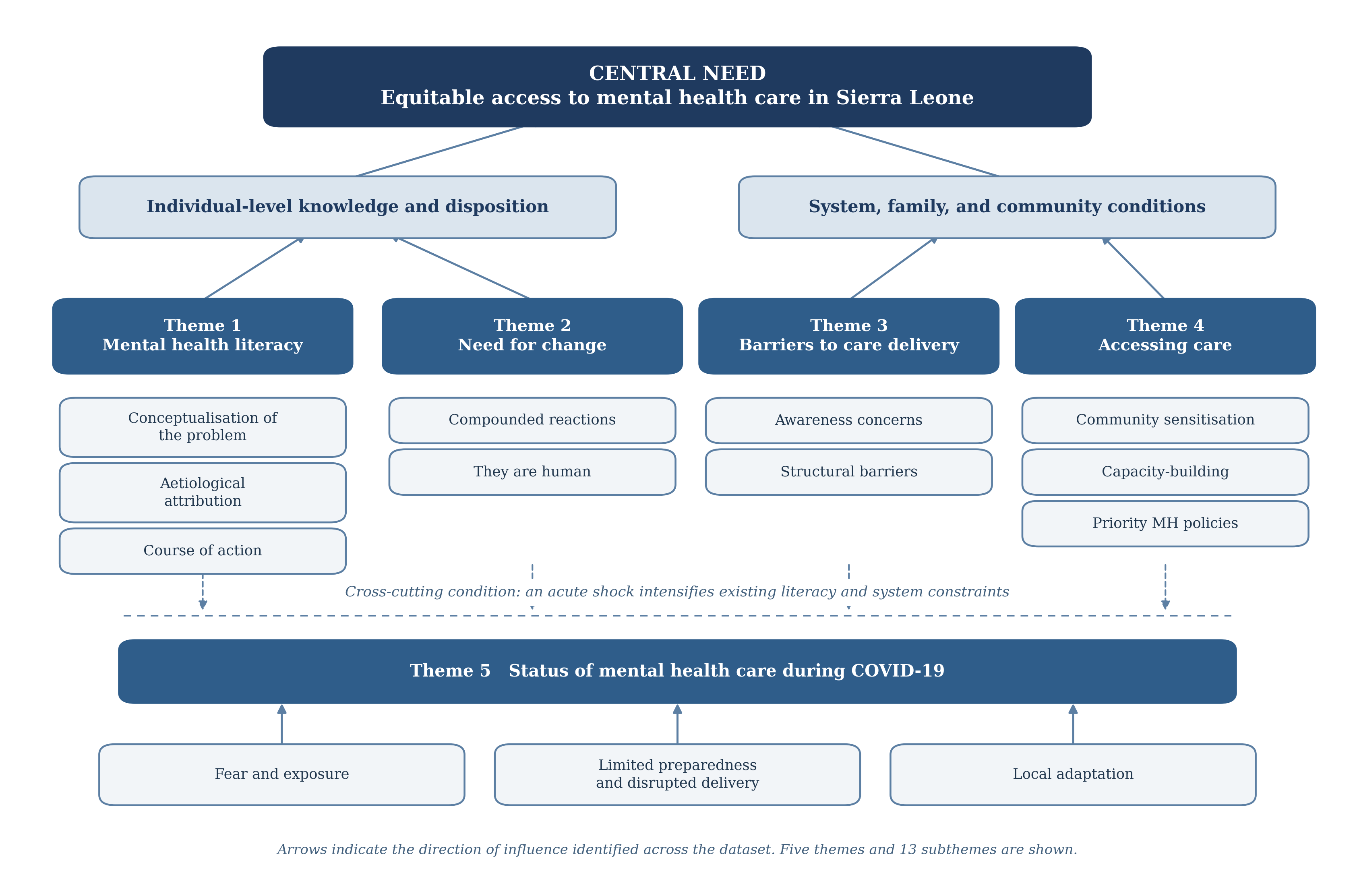
Figure 1. Thematic map of the five themes and 13 subthemes
Note. The map shows the relationships between themes identified across the dataset. Equitable access to mental health care was the central need articulated by participants. It was shaped by individual-level knowledge and disposition (Themes 1 and 2) and by system, family, and community conditions (Themes 3 and 4). Theme 5 operates as a cross-cutting condition in which an acute shock intensified the constraints described in the other four themes.
Theme 1: Mental health literacy
This theme captured participants’ understanding of the vignette and included three subthemes: conceptualisation of the mental health problem, aetiological attribution, and course of action.
Conceptualisation of mental health concerns
Seven of the ten participants identified the vignette as describing depression. Of the remaining three, two described the presentation as stress and one referred to it as anxiety. Every participant offered a single label and none volunteered a co-occurring or secondary problem. By contrast, none of the ten participants identified the suicidal ideation described in the vignette as an immediate clinical risk or marker of severity.
“I think Yabome has depression.” (P004)
“She has an anxiety.” (P002)
“She is stressed.” (P005)
Taken together, these extracts show recognition operating at the level of the overall mood presentation rather than at the level of clinical severity. P004 named the condition correctly but described it as a state rather than as a condition carrying risk. P002 and P005 substituted a non-diagnostic label that would not, in routine practice, trigger referral to a mental health service. Across all three accounts the element of the vignette carrying the greatest clinical urgency, the expressed suicidal ideation, went uncommented on. The pattern therefore indicates partial recognition of depression combined with a complete absence of spontaneous risk identification, and it is the second of these, rather than the first, that carries the more direct implication for training and referral.
Aetiological attribution
When asked about possible causes of Yabome’s condition, all ten participants referred exclusively to social and life circumstances. They attributed her distress to factors such as being unmarried, having no children, loneliness, and a lack of social support.
“Yabome is 30 years of age, and she’s not married, and she doesn’t have any child.” (P003)
“I think as a lady at the age of 30 years and does not have any child puts her in a dilemma which could have contributed to the current situation.” (P004)
“…because of loneliness because you see she is 30 years and no family and no kid.” (P005)
Notably, none of the ten participants attributed the problem to biological, spiritual, or supernatural causes; psychosocial attribution was unanimous (10 of 10). The extracts above illustrate a consistent interpretive move, in which the demographic details supplied in the vignette, namely age, marital status, and childlessness, were read directly as the cause of the presentation rather than as background detail. This matters analytically because an attribution model built entirely on social circumstance points towards social remedies, and it helps to explain why no participant proposed a clinical response beyond counselling and referral.
Course of action
All ten participants believed that Yabome needed professional help. Counselling and psychosocial support were the most frequently suggested responses, usually involving referral to a mental health facility, counsellor, psychiatrist, or CHW. Several participants also highlighted the importance of family support.
“Well, from previous training I have attended, Yabome needs somebody to talk to so that she can understand that she is not alone. She also needs counselling.” (P006)
“But I believe counselling presents the most appropriate approach to handle her situation. Also seek a psychiatrist service would be appropriate.” (P007)
“You have to get somebody who stays with Yabome to encourage and support her.” (P001)
Although participants recommended professional help, none mentioned medication, formal diagnosis beyond counselling needs, or longer-term treatment planning. However, all participants recognised that failure to seek help could lead to serious consequences, including deterioration and suicide. The juxtaposition of these two extracts with the earlier findings is important. P006 and P007 could both articulate suicide as a downstream consequence of untreated illness, yet neither had identified the suicidal ideation already present in the vignette. Suicide was therefore available to participants as an abstract prognostic category but not as a present-state clinical observation. This locates the training gap precisely, in risk detection rather than in awareness of risk as a concept, and it indicates that sensitisation to the seriousness of depression would not by itself correct the problem.
“…I think it would degenerate into severe mental illness.” (P006)
“…She might have gone ahead and committed suicide.” (P007)
Theme 2: Need for change
This theme reflected participants’ experiences of delivering mental health care in the community and their attitudes towards people living with mental illness. Two subthemes were identified: compounded reactions and they are human.
Compounded reactions
Participants described their experiences of providing mental health care as mixed, combining rewarding encounters with frequent frustration. Several spoke positively about the opportunity to engage with community members and support people in distress.
“My experience has been good. Having to work in the community addressing mental health builds confidence….” (P004)
“It’s actually a good experience because you get to meet with different people, and then interact with them, know their stories...” (P005)
At the same time, most participants reported resistance, rejection, and difficulty persuading community members to accept mental health information or seek biomedical care.
“People reject mental health. What they do is that when they notice that a person has mental health, they shun them and ignore them. They do not consider them as members of their communities and are unable to listen to you when trying to educate them about mental health and how to care for people with mental health.” (P006)
“It’s quite challenging for the community I live in… I would rate my experience to around 40%. This is because majority are not willing to listen or learn about mental health since they understand that being mentally ill is a supernatural occurrence.” (P007)
Participants also reported mixed experiences with families and religious leaders. Some relatives were supportive and appreciative when patients improved, while others remained disengaged. Similarly, some religious leaders encouraged care-seeking, whereas others framed mental illness exclusively as a spiritual issue.
“Some appreciate our work. Because when their relatives get better, they appreciate, although some do not.” (P001)
“The funniest thing is that some of them do not want the patient to leave their churches to come to the facility, because everything is spiritual.” (P003)
“Yes, the religious leaders are supportive as well because they usually come to the clinic twice a week to help preach to them not to forget about religion and also pray….” (P005)
These accounts do not simply describe community attitudes; they describe a workforce operating without a stable mandate. P006 and P007 locate the obstacle in the community refusal to receive information, while P003 and P005 show that the same category of local authority, the religious leader, can either obstruct or enable referral depending on the individual concerned. For CHWs this produces an unpredictable working environment in which the outcome of a household visit depends less on the skill of the CHW than on which local authority happens to hold influence over that household. The rewarding encounters described by P004 and P005 and the rejection described by P006 and P007 are therefore not contradictory accounts but the two predictable outcomes of the same unstructured role.
They are human
Despite these challenges, all ten participants expressed empathy and a strong ethical commitment to treating people with mental illness with dignity and equality. They described people with mental illness as deserving compassion, inclusion, and social connection.
“In the first place, we have to actually think and put ourselves in the position of these people… I have the empathy to be closer to that person.” (P002)
“I feel that mentally ill people in the community should be treated equally just like any other person who falls ill.” (P008)
“Sometimes I feel sorry for them especially how they are treated by those close to them.” (P009)
Read alongside the preceding subtheme, these extracts describe a workforce whose attitudes are already aligned with the aims of community mental health care and whose limiting constraints are therefore external to it. P002 frames empathy as a deliberate practice of perspective-taking rather than as spontaneous sympathy, and P008 frames equal treatment as an entitlement rather than a kindness. Both formulations are closer to a professional stance than to a personal one, which suggests that these attitudes are trainable and reinforceable rather than fixed dispositions, and that they represent an asset available to any future training programme.
Theme 3: Barriers to mental health care delivery
Participants identified multiple barriers to effective mental health care in their communities. These barriers were grouped into two subthemes: awareness concerns and structural barriers.
Awareness concerns
Most participants described poor community awareness, stigma, and misconceptions as major obstacles to care. Mental illness was often poorly understood and associated with social exclusion.
“Stigmatisation is one of the greatest obstacles that we do have. Once they know about someone having mental illness, they isolate you, even those who are well educated.” (P002)
“Stigma and discrimination. These are the key barriers.” (P010)
Cultural beliefs and traditional interpretations of mental illness were also seen as barriers to help-seeking and community acceptance.
“In our communities, people are not accepting. They think that mental health is spiritual or something. People don’t want to listen to you.” (P003)
“Some communities have some kind of culture or beliefs which limit the overall focus on mental health. Some have superstitions regarding mental health where they say that a patient has been bewitched.” (P004)
The two forms of barrier described here are analytically distinct and have different implications. P002 and P010 describe stigma as a social sanction that follows disclosure, operating after a problem has become known. P003 and P004 describe an explanatory barrier operating earlier, before distress is construed as a health matter at all. The distinction matters for intervention design, because anti-stigma messaging addresses only the first, whereas the second requires engagement with the explanatory model itself. P002 adds a further observation, that stigma persisted among educated community members, which suggests that awareness-raising alone is unlikely to be sufficient.
Structural barriers
Alongside social barriers, participants described major system-level constraints. These included poverty, limited service organisation, shortages in human resources, weak planning, and limited support from health authorities. Several participants also perceived differences between Freetown and Kono, suggesting somewhat greater awareness and health-seeking behaviour in urban settings, but greater organisational gaps in rural areas.
“Even though there is higher progress in mental health, there are no specialised systems in place and commitment to mental healthcare.” (P004)
“I think we are faced with massive issues both accessing healthcare and policies, processes and human resource to achieve higher mental health care.” (P010)
Poverty was described as a particularly important barrier, especially for rural patients who struggled to maintain follow-up.
“Poverty is a major issue because majority are lost for follow-up due to poverty. Mental health patients are also marginalised in the community.” (P006)
Participants also felt that institutional bodies responsible for health planning and mental health oversight were insufficiently visible or engaged.
“The district health management team has provided not much help I know of.” (P001)
“This is one of the challenges, the government do not prioritise mental health. Such teams we never see them come to us.” (P006)
“For me, I think this directorate is tasked with many responsibilities which limit mental health. Their support is minimal.” (P007)
Across these extracts participants located responsibility at successively higher tiers of the system, moving from the district health management team (P001) to central government (P006) and then to a national directorate (P007). No participant described a functioning line of accountability connecting their own work to any of these tiers, and the attribution of responsibility upwards was accompanied in each case by an absence of contact. Poverty (P006) operates alongside this as a demand-side constraint, so that even where a service exists, follow-up fails. In the terms of the access framework, these accounts describe simultaneous failures of availability, affordability, and appropriateness rather than a single point of breakdown (Levesque et al., 2013).
Theme 4: Accessing mental health care
Participants were also asked how mental health care could be improved in Sierra Leone. Their suggestions formed three subthemes: community sensitisation, capacity-building, and priority mental health policies.
Community sensitisation
Most participants argued that improving access to mental health care would require stronger community awareness and education. Suggested strategies included community meetings, religious gatherings, and media campaigns.
“We need more awareness campaign. We need to take our relatives to the hospital before the situation becomes serious instead of rushing to traditional medicine.” (P001)
“First, sensitisation about mental health and then medical supply should be enough. Another one, healthcare workers should be trained effectively.” (P004)
Capacity-building
Participants also emphasised the need to strengthen the workforce through training, recruitment, and specialist support. This included training CHWs, increasing the number of mental health professionals, and ensuring availability of essential supplies.
“I would think that having professionals in those areas could help improve the status of mental health. Professionals can also help in sensitisation of mental health across communities.” (P007)
“Sensitisation and ensuring that provision of supplies is available is integral in achieving high level of success in the efforts to improve mental health.” (P010)
Priority mental health policies
Participants called for stronger government commitment and more functional policy implementation. They viewed mental health as insufficiently prioritised and believed that better policy attention could improve coordination, teamwork, and service delivery.
“We need the Government to put more attention to mental health programmes and campaigns.” (P002)
“There are lapses on the side of government. It is high time for the government to prioritise mental health; it would help improve quality of mental care.” (P006)
Read together, participants proposals map onto the barriers they had themselves identified rather than onto a generic improvement agenda: sensitisation answers the awareness barrier, capacity-building answers the workforce barrier, and policy prioritisation answers the governance barrier. What is absent is as informative as what is present. No participant proposed supervision structures, standing referral protocols, or medication supply for mental health specifically, and no participant described a role for themselves in follow-up after referral. This is consistent with the narrow treatment repertoire observed under Theme 1 and suggests that CHWs were proposing solutions from within the limits of what they had seen the system do.
Theme 5: Status of mental health care during COVID-19
This theme captured participants’ experiences of providing mental health care during the COVID-19 pandemic. Participants described fear, uncertainty, low preparedness, and disrupted service organisation, although a few also described local adaptations and teamwork. Three subthemes were identified: fear and exposure, limited preparedness and disrupted delivery, and local adaptation.
Fear and exposure
Most participants reported anxiety about infection and reduced morale during the pandemic.
“We had fear especially when the disease was spreading in isolation centres. It was not easy.” (P001)
“I had fear because sometimes it is difficult to know if someone is affected. But we worked diligently to ensure that they receive quality care.” (P004)
Limited preparedness and disrupted delivery
Preparedness was often described as limited, particularly at the system level. Stay-at-home measures and movement restrictions reduced contact with patients and disrupted routine care. Several participants felt unprepared when the pandemic began, although a few noted that they developed personal strategies to protect themselves and maintain some service continuity.
“I was not prepared for that, but when it came, we all had to work together.” (P003)
“I was prepared during this time because I knew how to protect myself, which was integral to having a better level of engagement….” (P004)
Local adaptation
A few participants described more adaptive responses, including remote communication and local team planning.
“My experience was fairly good since we had a plan among ourselves on how we can continue engaging mentally ill patients. Some of them we engaged through phone calls.” (P009)
Participants also described COVID-19-related stigma, psychological distress after diagnosis, and weak coordination of mental health care during the pandemic. Overall, the findings suggested that mental health care delivery during COVID-19 was uneven, with frontline workers relying heavily on personal initiative in the absence of strong system preparedness. The distribution of these accounts is itself the finding. Adaptation, where it occurred, was described in the first person plural of a local team (P009) rather than as an instruction received from any level of the system. Preparedness, where claimed, was framed as personal knowledge of self-protection (P004) rather than as organisational readiness. Mental health care during the pandemic therefore continued where individual CHWs improvised it and lapsed where they did not, which locates the vulnerability in the absence of an emergency plan for mental health rather than in the disposition of the workforce.
Discussion
This section interprets the findings in relation to the existing literature and the wider mental health system context in Sierra Leone. The study showed that CHWs had partial but incomplete mental health literacy, worked within highly stigmatising and resource-constrained environments, and identified community sensitisation, training, and stronger policy support as key priorities for improving care.
Mental health literacy and recognition of depression
A central finding was that seven of the ten participants recognised the vignette as describing depression, yet none of the ten explicitly identified the suicidal ideation embedded within it as an urgent clinical warning sign. This is an important distinction. The findings suggest that CHWs may be able to recognise depression at a general level while still lacking the confidence or training to identify suicide risk as a core component of assessment.
This partial recognition is notable in a setting where CHWs often serve as the first point of contact for community members with mental health difficulties. Correct identification by seven of the ten participants is higher than the proportions reported in some previous studies using similar vignette methods, although the comparison should be read with care given the difference in sample sizes. Karadzhov and White (2020) found that 40% of clergy participants in Scotland identified depression, while Marangu et al. (2021) reported correct identification by 39% of primary healthcare workers in Kenya, both in substantially larger samples in which a proportion carries statistical meaning that it cannot carry here. In rural Ethiopia, Tekola et al. (2021) found even lower levels of recognition. One possible explanation for the relatively stronger performance in the present study is that most participants had received some supervision and many had received short-term mental health training. A further possibility is that the deductive coding frame, which treated any explicit use of the term depression as correct recognition, applies a lower threshold than instruments requiring participants to elaborate symptoms or grade severity. On a stricter criterion that included recognition of the suicidal ideation, correct recognition in this sample would have been zero.
However, the inability to identify suicidality remains a major concern. It may reflect limited training in risk assessment, discomfort discussing suicide, or broader stigma surrounding suicidal thoughts. This gap is especially important because recognising suicide risk is essential for timely referral and prevention. In practical terms, the findings suggest that CHW training in Sierra Leone should move beyond broad awareness of depression to include more explicit content on suicidal ideation, severity assessment, referral pathways, and crisis response.
Participants tended to explain the vignette in terms of life events and social adversity, such as childlessness, relationship status, loneliness, and limited support. This emphasis on psychosocial explanations is understandable in context and may reflect socially embedded understandings of distress. Notably, none of the ten participants mentioned biological, spiritual, or supernatural causes when interpreting the vignette, making psychosocial attribution unanimous. This differs from studies in some other settings where depression is commonly linked to spiritual or supernatural explanations, or where religious and traditional help-seeking pathways are more explicitly endorsed (Suhail, 2005; Miller et al., 2021). In this study, participants largely endorsed professional help, especially counselling and psychosocial support. Yet the absence of discussion of medication or longer-term recovery planning suggests that their understanding of treatment remained relatively narrow.
CHWs’ motivation, empathy, and the need for change
Another important finding was the contrast between participants’ empathy towards people with mental illness and the negative social environments in which they worked. Participants consistently described people with mental illness as deserving compassion, equality, and human dignity. This is a significant strength, because supportive provider attitudes are important for trust-building and continuity of care. At the same time, participants reported frustration, rejection, and emotional strain when working in communities where mental illness was stigmatised or interpreted as a spiritual problem.
This tension reflects a broader implementation challenge for community-based mental health services in low-resource settings. CHWs may be willing and motivated to provide care, but their effectiveness can be undermined by low community awareness, lack of family support, weak institutional recognition, and limited resources. Similar patterns have been reported in studies from Kenya and Nigeria, where CHWs experienced workload pressure, social misunderstanding, and low support while delivering care in community settings (Kwobah et al., 2021; Olateju et al., 2022). Such pressures may contribute to frustration, burnout, and reduced retention if not addressed through training, supervision, and system support (Kok et al., 2018; Maslach & Leiter, 2016; Pallas et al., 2015).
The mixed experiences reported with families and religious leaders are particularly important. Some relatives and faith leaders supported care-seeking, while others discouraged biomedical treatment or preferred spiritual responses. This pattern reflects medical pluralism, in which multiple explanatory models and treatment pathways coexist (Patel et al., 2018). In practice, this means that mental health programmes in Sierra Leone cannot assume a purely biomedical pathway to care. Instead, interventions may need to engage families, traditional belief systems, and religious leaders in ways that reduce harm, support referral, and build trust without dismissing local meaning systems.
Barriers to mental health care delivery
Participants described barriers operating at both community and health-system levels. At the community level, the most prominent barriers were low awareness, stigma, discrimination, and culturally shaped misconceptions about mental illness. These findings are consistent with evidence from Rwanda, Uganda, Mozambique, and other settings where stigma and low mental health literacy reduce help-seeking and delay treatment (Mabunda et al., 2022; Muhorakeye & Biracyaza, 2021; Shah et al., 2017). Participants’ accounts suggest that stigma in Sierra Leone is not only attitudinal but also relational: people with mental illness may be ignored, isolated, or excluded by their families and communities.
At the structural level, participants described poverty, weak service organisation, inadequate workforce capacity, and limited government prioritisation as major barriers. These findings align closely with previous reports on Sierra Leone’s mental health system, which has been characterised by underfunding, shortages of specialists, and weak decentralised service capacity (Fitts et al., 2020; Harris et al., 2020). The perception that key administrative bodies were largely absent from community mental health work further points to gaps in governance, coordination, and accountability.
The contrast drawn by some participants between Freetown and Kono is also noteworthy. Although both settings faced substantial barriers, urban participants appeared to perceive somewhat greater awareness and help-seeking, whereas rural participants more often highlighted organisational weakness and limited access. This suggests that place matters and that mental health system strengthening may require different operational strategies in urban and rural areas.
Facilitators of access and implications for service development
Participants proposed three main facilitators of improved access: community sensitisation, capacity-building, and stronger policy implementation. These suggestions were closely tied to the barriers they described and provide a practical roadmap for action.
First, participants emphasised community sensitisation through local meetings, religious settings, and media messages. This aligns with broader evidence that anti-stigma campaigns and community education can improve recognition, reduce fear, and promote help-seeking when they are sustained and culturally adapted (Muhorakeye & Biracyaza, 2021; Muslic et al., 2021). In Sierra Leone, such efforts may be especially important if they are delivered through trusted community actors rather than only through formal health channels.
Second, participants highlighted capacity-building, including training CHWs, recruiting more specialists, and improving the availability of supplies. Existing evidence suggests that structured training can improve frontline competence, confidence, and referral practice, even in low-resource settings (Armstrong et al., 2011; Jenkins et al., 2013; Sibeko et al., 2018). In the present study, the gap in suicide risk recognition provides a strong rationale for strengthening mhGAP-informed training and supervision for CHWs.
Two programmes from comparable settings offer more specific guidance than a general call for training. The Friendship Bench in Zimbabwe trained lay health workers, predominantly older women already embedded in their communities, to deliver a structured six-session problem-solving therapy from benches sited on the grounds of primary care clinics. In a cluster randomised trial, participants who received the intervention had substantially lower symptom scores at six months than those who received enhanced usual care (Chibanda et al., 2016). Three features of that model are directly transferable to the cadre described here. The intervention was manualised, so that delivery did not depend on the individual provider exercising clinical judgement; it was supervised, through regular structured contact between lay providers and clinical supervisors; and it was sited, so that the lay provider held a defined physical and institutional place within the service rather than an ambiguous community role. The absence of precisely these three features in participants accounts, and in particular the absence of any described supervision structure for mental health work, indicates where investment would have most effect.
The Nigerian STEPCARE trial offers a complementary and in some respects more sobering lesson. Gureje et al. (2019) compared a stepped-care package delivered by lay health workers against usual primary care enhanced with the WHO mhGAP Intervention Guide, and found the two similarly effective for moderate to severe depression, concluding that enhancing routine care with mhGAP-IG may itself be a simple and affordable route to scale-up in sub-Saharan Africa. For Sierra Leone, where some CHWs have had exposure to mhGAP but no standardised national training pathway exists for this cadre (MoHS, 2016), this argues for consolidating and systematising mhGAP-based support with adequate supervision rather than for designing a novel intervention. It also suggests that the marginal return on a more elaborate psychological package is likely to be small in a system where the basic enhancement has not yet been reliably delivered.
Implementation in Sierra Leone would nonetheless face constraints not present in either comparator, and these should be stated plainly rather than assumed away. The specialist base available to supervise a trained CHW cadre is extremely small, with two psychiatrists and 27 mental health nurses for a population of approximately 7.5 million (Harris et al., 2020; WHO, 2022), so any supervision model must be predominantly cascaded, nurse-led, and partly remote rather than psychiatrist-led. The decentralised nurse-led mental health units provide the most plausible supervisory anchor, but their caseloads and geographic coverage are uneven (Hopwood et al., 2021), so coverage would need to be mapped before any national rollout. Psychotropic medication supply is intermittent, which constrains what a referral can actually deliver and, if left unaddressed, risks training CHWs to detect conditions the system cannot then treat, with predictable effects on both patient trust and CHW morale. Finally, mhGAP materials require adaptation to local explanatory models and idioms rather than direct transfer, and reviews of mhGAP implementation have repeatedly identified inattention to culture, context, and community as a principal cause of weak uptake (Faregh et al., 2019). A realistic sequence for Sierra Leone would therefore begin with mhGAP-informed CHW training incorporating an explicit suicide risk module, anchored to nurse-led units for supervision, and phased to match medication availability rather than introduced ahead of it.
Third, participants called for more effective and visible mental health policy implementation. This reflects the fact that policy documents alone do not improve access unless they are accompanied by budget allocation, service integration, workforce development, and local accountability mechanisms. A stronger policy environment could improve coordination between CHWs, district health teams, specialist staff, and community stakeholders, thereby reducing fragmentation in care.
Mental health care during the COVID-19 pandemic
Participants’ accounts of service delivery during COVID-19 showed that the pandemic introduced additional layers of fear, uncertainty, disruption, and stigma. These findings are consistent with studies from Uganda, Nigeria, and India, where frontline workers reported fear of infection, high workload, and difficulty maintaining routine care during the pandemic (Muzyamba et al., 2021; Olateju et al., 2022; Roy et al., 2021). In the present study, participants described weak preparedness, reduced mobility, and poor organisational support, all of which affected mental health care delivery.
At the same time, some participants described adaptive responses, such as phone contact and informal team planning. These examples suggest that even within weak systems, frontline workers can create local workarounds. However, reliance on personal initiative is not a substitute for system preparedness. The findings therefore reinforce the need to integrate mental health into emergency preparedness planning, especially in countries with already fragile health systems.
Study limitations
This study has several limitations. First, ten participants drawn from two locations, Freetown and Kono, is a modest sample even for qualitative work. Sample adequacy was appraised prospectively against the five dimensions of information power rather than claimed as data saturation (Malterud et al., 2016), and on those grounds the dataset supports description of the range of accounts present among a specific and well-informed group of CHWs. It does not support any claim about how representative those accounts are, and no estimate of prevalence within the national CHW workforce should be drawn from the counts reported here. Kono is also atypical among rural districts in being diamond-producing, with associated patterns of migration and livelihood that may shape both distress and service use. Second, the vignette was developed and validated in high-income Western settings and, although its content was reviewed for contextual fit and the protagonist given a locally common name, it was not subjected to formal cognitive interviewing or a structured cultural adaptation procedure with Sierra Leonean CHWs before fieldwork. Because aetiological attributions and symptom vocabularies differ markedly across settings, this may have constrained the range of explanations participants offered. The point is not merely procedural. The complete absence of spiritual and supernatural attributions in response to the vignette sits in direct tension with participants own reports, under Theme 3, that such attributions are widespread in the communities they serve. Three readings are possible: a genuine professional distinction between CHWs explanatory models and those of their communities; social desirability in an interview conducted by a senior mental health professional; or a vignette whose framing cued a biomedical register. These cannot be distinguished with the present data, and the finding should be treated as provisional until replicated using a locally adapted and cognitively tested instrument. Third, data collection was conducted remotely via Zoom, which may have introduced selection bias by favouring CHWs who were more comfortable with digital participation or had better access to connectivity. Nevertheless, efforts were made to support participation through provision of devices, internet access, and private interview spaces. Fourth, ability to communicate in English was an eligibility criterion. This excluded CHWs working primarily in Krio, Temne, Mende, or Kono, who constitute a substantial part of the cadre and who may hold different explanatory models, and it may have selected for better-educated and better-trained workers. Half of the sample held a university degree and seven had received some mental health training, so the recognition rates reported here are likely to sit at the upper end of what would be found across the cadre as a whole. Fifth, recognition was assessed through a single written vignette presented once. Identifying depression in a standardised scenario is not equivalent to identifying it in practice, and no observational or case-based validation was undertaken.
Implications for policy and practice
The findings have several implications for policy and practice in Sierra Leone. Most importantly, they suggest that CHWs represent a motivated and potentially valuable workforce for expanding community mental health care, but they require more structured support. Training should place greater emphasis on depression recognition, suicide risk identification, referral pathways, and ongoing supervision, and should be built on the mhGAP Intervention Guide already partially familiar to this cadre rather than on a newly designed curriculum. A dedicated suicide risk module, covering direct enquiry about suicidal thoughts, immediate safety actions, and a defined escalation route to the nearest nurse-led mental health unit, is the single highest-priority addition indicated by these findings. Supervision should be cascaded through district mental health nurses rather than centralised, given the size of the specialist workforce. Community awareness campaigns should address stigma and misconceptions while engaging families, religious leaders, and other trusted local actors. At the health-system level, stronger implementation of mental health policy, dedicated funding, workforce expansion, and improved coordination across district and national structures are needed to reduce the treatment gap.
Taken together, the findings support a multi-sectoral and culturally responsive approach to mental health system strengthening in Sierra Leone. Such an approach should integrate community education, CHW capacity-building, governance reform, and stronger links between formal services and community-based support systems.
Conclusion
This study explored community health workers’ understanding of depression and their perceptions of barriers and facilitators to mental health care in Sierra Leone, including their experiences during the COVID-19 pandemic. The findings suggest that many CHWs were able to recognise depression in a vignette-based scenario and valued professional support, counselling, and family involvement as important responses. However, important gaps remained, particularly in recognising suicidal ideation as a major clinical risk and in understanding the broader treatment and recovery dimensions of depression.
Beyond mental health literacy, the study highlighted wider barriers to care, including stigma, poor community awareness, cultural misconceptions, poverty, limited-service organisation, and insufficient institutional support. At the same time, participants demonstrated empathy towards people living with mental illness and expressed strong motivation to support them. They identified community sensitisation, stronger training and supervision, increased workforce capacity, and more effective policy implementation as key facilitators of improved care.
Taken together, these findings indicate that CHWs represent an important but under-supported resource for expanding mental health care in Sierra Leone. Strengthening their role will require a coordinated, multi-sectoral approach that combines mental health literacy improvement, suicide risk training, anti-stigma efforts, service integration, and stronger health-system commitment. Future research should further examine cultural understandings of mental illness, help-seeking pathways, and the implementation of community-based mental health services across different regions of Sierra Leone.
Ethical Statement
Ethical approval for this study was obtained from the University of Glasgow College of Medical, Veterinary and Life Sciences Research Ethics Committee on 5 June 2022 (Project No. 200210132) and the Sierra Leone Ethics and Scientific Review Committee on 21 June 2022 (SLESRC No. 012/06/2022). Administrative clearance to recruit participants was obtained from the Ministry of Health and Sanitation, Sierra Leone, on 28 June 2022. All participants provided informed consent prior to participation. Participation was voluntary, confidentiality was maintained throughout the study, and participants were informed of their right to withdraw at any stage without consequence.
Data Availability Statement
The qualitative data generated and analysed during this study are not publicly available because they contain information that could compromise participant confidentiality and privacy. De-identified excerpts are included in the manuscript. Additional information may be available from the corresponding author on reasonable request, subject to ethical and institutional approval.
Funding
This research received no specific grant from any funding agency in the public, commercial, or not-for-profit sectors.
Competing Interests
The authors declare no competing interests.
Authors’ Contributions
Abdul Jalloh: Conceptualisation, Methodology, Investigation, Data Curation, Formal Analysis, Writing – Original Draft, Project Administration.
Augustus Osborne: Writing – Review & Editing
Dimitar Karadzhov: Conceptualisation, Methodology, Supervision, Validation, Writing – Review & Editing.
Use of AI Technologies
No generative artificial intelligence tools were used in the analysis or interpretation of the study data. AI-assisted support was used only for language refinement and manuscript structuring, and all content was reviewed, verified, and approved by the authors. The authors remain fully responsible for the accuracy, originality, and integrity of the manuscript.
Acknowledgement
The authors thank the community health workers who participated in this study for sharing their time and experiences. The authors also acknowledge the support of the social workers who assisted with participant coordination and interview logistics in Freetown and Kono. Appreciation is extended to the Ministry of Health and Sanitation, Sierra Leone, and the University of Glasgow for their institutional support.
References
Aass, L. K., Moen, Ø. L., Skundberg-Kletthagen, H., Lundqvist, L., & Schröder, A. (2022). Family support and quality of community mental health care: Perspectives from families living with mental illness. Journal of Clinical Nursing, 31(7–8), 935–948. https://doi.org/10.1111/jocn.15948
Adams, B., Vallières, F., Duncan, J. A., Higgins, A., & Eaton, J. (2020). Stakeholder perspectives of community mental health forums: A qualitative study in Sierra Leone. International Journal of Mental Health Systems, 14(1), Article 50. https://doi.org/10.1186/s13033-020-00382-7
Anyebe, E. E., Olisah, V. O., Garba, S. N., Murtala, H. H., & Danjuma, A. (2021). Barriers to the provision of community-based mental health services at primary healthcare level in northern Nigeria: A mixed methods study. International Journal of Africa Nursing Sciences, 15, Article 100376. https://doi.org/10.1016/j.ijans.2021.100376
Archibald, M. M., Ambagtsheer, R. C., Casey, M. G., & Lawless, M. (2019). Using Zoom videoconferencing for qualitative data collection: Perceptions and experiences of researchers and participants. International Journal of Qualitative Methods, 18, 1609406919874596. https://doi.org/10.1177/1609406919874596
Armstrong, G., Kermode, M., Raja, S., Suja, S., Chandra, P., & Jorm, A. F. (2011). A mental health training program for community health workers in India: Impact on knowledge and attitudes. International Journal of Mental Health Systems, 5(1), Article 17. https://doi.org/10.1186/1752-4458-5-17
Atilola, O. (2015). Level of community mental health literacy in sub-Saharan Africa: Current studies are limited in number, scope, spread, and cognizance of cultural nuances. Nordic Journal of Psychiatry, 69(2), 93–101. https://doi.org/10.3109/08039488.2014.947319
Atilola, O. (2016). Mental health service utilization in sub-Saharan Africa: Is public mental health literacy the problem? Setting the perspectives right. Global Health Promotion, 23(2), 30–37. https://doi.org/10.1177/1757975914567179
Behere, P. B., Das, A., Yadav, R., & Behere, A. P. (2013). Religion and mental health. Indian Journal of Psychiatry, 55(Suppl. 2), S187–S194. https://doi.org/10.4103/0019-5545.105526
Braun, V., & Clarke, V. (2006). Using thematic analysis in psychology. Qualitative Research in Psychology, 3(2), 77–101. https://doi.org/10.1191/1478088706qp063oa
Brower, K. J. (2021). Professional stigma of mental health issues: Physicians are both the cause and solution. Academic Medicine, 96(5), 635–640. https://doi.org/10.1097/ACM.0000000000003998
Campbell, J. L., Quincy, C., Osserman, J., & Pedersen, O. K. (2013). Coding in-depth semistructured interviews: Problems of unitization and intercoder reliability and agreement. Sociological Methods & Research, 42(3), 294–320. https://doi.org/10.1177/0049124113500475
Chibanda, D., Weiss, H. A., Verhey, R., Simms, V., Munjoma, R., Rusakaniko, S., Chingono, A., Munetsi, E., Bere, T., Manda, E., Abas, M., & Araya, R. (2016). Effect of a primary care-based psychological intervention on symptoms of common mental disorders in Zimbabwe: A randomized clinical trial. JAMA, 316(24), 2618-2626. https://doi.org/10.1001/jama.2016.19102
Chibanda, D., Abas, M., Musesengwa, R., Merritt, C., Sorsdahl, K., Mangezi, W., Bandawe, C., Cowan, F., Araya, R., Gomo, E., Gibson, L., Weiss, H. A., Hanlon, C., & Lund, C. (2020). Mental health research capacity building in sub-Saharan Africa: The African Mental Health Research Initiative. Global Mental Health, 7, Article e8. https://doi.org/10.1017/gmh.2019.32
Dhaliwal, B. K., Singh, S., Sullivan, L., Banerjee, P., Seth, R., Sengupta, P., Bhattacharjee, I., Mehta, K., Reddy, K. S., & Shet, A. (2021). Love, labor and loss on the frontlines: India’s community health workers straddle life and the COVID-19 pandemic. Journal of Global Health, 11, 03107. https://doi.org/10.7189/jogh.11.03107
Eaton, J., McCay, L., Semrau, M., Chatterjee, S., Baingana, F., Araya, R., Ntulo, C., Thornicroft, G., & Saxena, S. (2011). Scale up of services for mental health in low-income and middle-income countries. The Lancet, 378(9802), 1592–1603. https://doi.org/10.1016/S0140-6736(11)60891-X
Falter, M. M., Arenas, A. A., Maples, G. W., Smith, C. T., Lamb, L. J., Anderson, M. G., Uzzell, E. M., Jacobs, L. E., Cason, X. L., Griffis, T. A., Polzin, M., & Wafa, N. Z. (2022). Making room for Zoom in focus group methods: Opportunities and challenges for novice researchers (during and beyond COVID-19). Forum Qualitative Sozialforschung / Forum: Qualitative Social Research, 23(1). https://doi.org/10.17169/fqs-23.1.3768
Faregh, N., Lencucha, R., Ventevogel, P., Dubale, B. W., & Kirmayer, L. J. (2019). Considering culture, context and community in mhGAP implementation and training: Challenges and recommendations from the field. International Journal of Mental Health Systems, 13, Article 58. https://doi.org/10.1186/s13033-019-0312-9
Fereday, J., & Muir-Cochrane, E. (2006). Demonstrating rigor using thematic analysis: A hybrid approach of inductive and deductive coding and theme development. International Journal of Qualitative Methods, 5(1), 80–92. https://doi.org/10.1177/160940690600500107
Fitts, J. J., Gegbe, F., Aber, M. S., Kaitibi, D., & Yokie, M. A. (2020). Strengthening mental health services in Sierra Leone: Perspectives from within the health system. Health Policy and Planning, 35(6), 657–664. https://doi.org/10.1093/heapol/czaa029
Gureje, O., Oladeji, B. D., Montgomery, A. A., Bello, T., Kola, L., Ojagbemi, A., Chisholm, D., & Araya, R. (2019). Effect of a stepped-care intervention delivered by lay health workers on major depressive disorder among primary care patients in Nigeria (STEPCARE): A cluster-randomised controlled trial. The Lancet Global Health, 7(7), e951-e960. https://doi.org/10.1016/S2214-109X(19)30148-2
Harris, D., Endale, T., Lind, U. H., Sevalie, S., Bah, A. J., Jalloh, A., & Baingana, F. (2020). Mental health in Sierra Leone. BJPsych International, 17(1), 14–16. https://doi.org/10.1192/bji.2019.17
Hopwood, H., Sevalie, S., Herman, M. O., Harris, D., Collet, K., Bah, A. J., & Beynon, F. (2021). The burden of mental disorder in Sierra Leone: A retrospective observational evaluation of programmatic data from the roll out of decentralised nurse-led mental health units. International Journal of Mental Health Systems, 15(1), Article 27. https://doi.org/10.1186/s13033-021-00455-1
Ibrahim, A., & Whitley, R. (2021). Religion and mental health: A narrative review with a focus on Muslims in English-speaking countries. BJPsych Bulletin, 45(3), 170–174. https://doi.org/10.1192/bjb.2020.34
Jalloh, M. F., Li, W., Bunnell, R. E., Ethier, K. A., O’Leary, A., Hageman, K. M., Sengeh, P., Jalloh, M. B., Morgan, O., Hersey, S., Marston, B. J., Dafae, F., & Redd, J. T. (2018). Impact of Ebola experiences and risk perceptions on mental health in Sierra Leone, July 2015. BMJ Global Health, 3(2), e000471. https://doi.org/10.1136/bmjgh-2017-000471
Jenkins, R., Othieno, C., Okeyo, S., Aruwa, J., Wallcraft, J., & Jenkins, B. (2013). Exploring the perspectives and experiences of health workers at primary health facilities in Kenya following training. International Journal of Mental Health Systems, 7(1), Article 6. https://doi.org/10.1186/1752-4458-7-6
Jorm, A. F. (2000). Mental health literacy: Public knowledge and beliefs about mental disorders. The British Journal of Psychiatry, 177(5), 396–401. https://doi.org/10.1192/bjp.177.5.396
Jorm, A. F., Korten, A. E., Jacomb, P. A., Christensen, H., Rodgers, B., & Pollitt, P. (1997). “Mental health literacy”: A survey of the public’s ability to recognise mental disorders and their beliefs about the effectiveness of treatment. Medical Journal of Australia, 166(4), 182–186. https://doi.org/10.5694/j.1326-5377.1997.tb140071.x
Karadzhov, D., & White, R. (2020). Between the “whispers of the devil” and “the revelation of the word”: Christian clergy’s mental health literacy and pastoral support for BME congregants. Journal of Spirituality in Mental Health, 22(2), 147–172. https://doi.org/10.1080/19349637.2018.1537755
Kok, M. C., Dieleman, M., Taegtmeyer, M., Broerse, J. E. W., Kane, S. S., Ormel, H., & Theobald, S. (2018). Which intervention design factors influence performance of community health workers in low- and middle-income countries? A systematic review. Health Policy and Planning, 33(11), 1040–1053. https://doi.org/10.1093/heapol/czy093
Kpobi, L., & Swartz, L. (2019). Indigenous and faith healing for mental health in Ghana: An examination of the literature on reported beliefs, practices and use of alternative mental health care in Ghana. African Journal of Primary Health Care & Family Medicine, 11(1), e1–e5. https://doi.org/10.4102/phcfm.v11i1.1941
Kwobah, E. K., Mwangi, A., Patel, K., Mwogi, T., Kiptoo, R., & Atwoli, L. (2021). Mental disorders among health care workers at the early phase of COVID-19 pandemic in Kenya: Findings of an online descriptive survey. Frontiers in Psychiatry, 12, Article 665611. https://doi.org/10.3389/fpsyt.2021.665611
Levesque, J. F., Harris, M. F., & Russell, G. (2013). Patient-centred access to health care: Conceptualising access at the interface of health systems and populations. International Journal for Equity in Health, 12, Article 18. https://doi.org/10.1186/1475-9276-12-18
Lloyd, C. E., Musyimi, C., Mutiso, V., & Ndetei, D. (2022). Individual and community experiences and the use of language in understanding diabetes and depression in rural Kenya. Global Public Health, 18(1), 2049841. https://doi.org/10.1080/17441692.2022.2049841
Mabunda, D., Oliveira, D., Sidat, M., Cournos, F., Wainberg, M., & Mari, J. de J. (2022). Perceptions of community health workers on barriers and enablers to care for people with psychosis in rural Mozambique: Findings of a focus group discussion study using the capability, opportunity, motivation and behaviour framework. Human Resources for Health, 20(1), Article 44. https://doi.org/10.1186/s12960-022-00741-0
Malterud, K., Siersma, V. D., & Guassora, A. D. (2016). Sample size in qualitative interview studies: Guided by information power. Qualitative Health Research, 26(13), 1753-1760. https://doi.org/10.1177/1049732315617444
Marangu, E., Mansouri, F., Sands, N., Ndetei, D., Muriithi, P., Wynter, K., & Rawson, H. (2021). Assessing mental health literacy of primary health care workers in Kenya: A cross-sectional survey. International Journal of Mental Health Systems, 15(1), Article 55. https://doi.org/10.1186/s13033-021-00481-z
Maslach, C., & Leiter, M. P. (2016). Understanding the burnout experience: Recent research and its implications for psychiatry. World Psychiatry, 15(2), 103–111. https://doi.org/10.1002/wps.20311
Memon, A., Taylor, K., Mohebati, L. M., Sundin, J., Cooper, M., Scanlon, T., & de Visser, R. (2016). Perceived barriers to accessing mental health services among black and minority ethnic communities: A qualitative study in Southeast England. BMJ Open, 6(11), e012337. https://doi.org/10.1136/bmjopen-2016-012337
Mendenhall, E., Rinehart, R., Musyimi, C., Bosire, E., Ndetei, D., & Mutiso, V. (2019). An ethnopsychology of idioms of distress in urban Kenya. Transcultural Psychiatry, 56(4), 620–642. https://doi.org/10.1177/1363461518824431
Miller, A. P., Ziegel, L., Mugamba, S., Kyasanku, E., Wagman, J. A., Nkwanzi-Lubega, V., Nakigozi, G., Kigozi, G., Nalugoda, F., Nkale, J., Watya, S., & Ddaaki, W. (2021). Not enough money and too many thoughts: Exploring perceptions of mental health in two Ugandan districts through the mental health literacy framework. Qualitative Health Research, 31(5), 967–982. https://doi.org/10.1177/1049732320986164
Ministry of Health and Sanitation. (2016). Sierra Leone national community health workers policy 2016–2020.
Ministry of Health and Sanitation. (2019). National mental health policy and strategic plan 2019–2023.
Muhorakeye, O., & Biracyaza, E. (2021). Exploring barriers to mental health services utilization at Kabutare District Hospital of Rwanda: Perspectives from patients. Frontiers in Psychology, 12, Article 638377. https://doi.org/10.3389/fpsyg.2021.638377
Muslic, L., Jovicic Buric, D., Markelic, M., & Music Milanovic, S. (2021). Mental health literacy. Socijalna Psihijatrija, 48(3), 324–343. https://doi.org/10.24869/spsih.2020.324
Muzyamba, C., Mukova, O., & Mushibi, G. S. (2021). Exploring health workers’ experiences of mental health challenges during care of patients with COVID-19 in Uganda: A qualitative study. BMC Research Notes, 14(1), Article 286. https://doi.org/10.1186/s13104-021-05707-4
O’Keefe, V. M., Cwik, M. F., Haroz, E. E., & Barlow, A. (2021). Increasing culturally responsive care and mental health equity with indigenous community mental health workers. Psychological Services, 18(1), 84–92. https://doi.org/10.1037/ser0000358
Olateju, Z., Olufunlayo, T., MacArthur, C., Leung, C., & Taylor, B. (2022). Community health workers’ experiences and perceptions of working during the COVID-19 pandemic in Lagos, Nigeria: A qualitative study. PLOS ONE, 17(3), e0265092. https://doi.org/10.1371/journal.pone.0265092
Oliffe, J. L., Kelly, M. T., Gonzalez Montaner, G., & Yu Ko, W. F. (2021). Zoom interviews: Benefits and concessions. International Journal of Qualitative Methods, 20, 16094069211053522. https://doi.org/10.1177/16094069211053522
Ong, H. S., Fernandez, P. A., & Lim, H. K. (2021). Family engagement as part of managing patients with mental illness in primary care. Singapore Medical Journal, 62(5), 213–219. https://doi.org/10.11622/smedj.2021057
Pallas, S. W., Minhas, D., Pérez-Escamilla, R., Taylor, K., Curry, L. A., Bradley, E. H., & Ramakrishnan, A. (2015). Community health workers in low- and middle-income countries: What do we know about scaling up and sustainability? American Journal of Public Health, 105(7), e74–e82. https://doi.org/10.2105/AJPH.2015.302664
Patel, V., Saxena, S., Lund, C., Thornicroft, G., Baingana, F., Bolton, P., Chisholm, D., Collins, P. Y., Cooper, J. L., Eaton, J., Herrman, H., Herzallah, M. M., Huang, Y., Jordans, M. J. D., Kleinman, A., Medina-Mora, M. E., Morgan, E., Niaz, U., Omigbodun, O., ... Unützer, J. (2018). The Lancet Commission on global mental health and sustainable development. The Lancet, 392(10157), 1553–1598. https://doi.org/10.1016/S0140-6736(18)31612-X
Patton, M. Q. (2002). Two decades of developments in qualitative inquiry: A personal, experiential perspective. Qualitative Social Work, 1(3), 261–283. https://doi.org/10.1177/1473325002001003636
Prior, L., Wood, F., Lewis, G., & Pill, R. (2003). Stigma revisited: Disclosure of emotional problems in primary care consultations in Wales. Social Science & Medicine, 56(10), 2191–2200. https://doi.org/10.1016/S0277-9536(02)00235-6
QSR International Pty Ltd. (2020). NVivo [Computer software]. https://www.qsrinternational.com/nvivo-qualitative-data-analysis-software/home
Rathod, S., Pinninti, N., Irfan, M., Gorczynski, P., Rathod, P., Gega, L., & Naeem, F. (2017). Mental health service provision in low- and middle-income countries. Health Services Insights, 10, 1178632917694350. https://doi.org/10.1177/1178632917694350
Reavley, N. J., & Jorm, A. F. (2011). Stigmatizing attitudes towards people with mental disorders: Findings from an Australian national mental health literacy and stigma survey. Australian & New Zealand Journal of Psychiatry, 45(12), 1086–1093. https://doi.org/10.3109/00048674.2011.621061
Rodríguez-Almagro, J., Hernández-Martínez, A., Rodríguez-Almagro, D., Quirós-García, J. M., Solano-Ruiz, M. D. C., & Gómez-Salgado, J. (2019). Level of stigma among Spanish nursing students toward mental illness and associated factors: A mixed-methods study. International Journal of Environmental Research and Public Health, 16(23), Article 4870. https://doi.org/10.3390/ijerph16234870
Roy, A., Singh, A. K., Mishra, S., Chinnadurai, A., Mitra, A., & Bakshi, O. (2021). Mental health implications of COVID-19 pandemic and its response in India. International Journal of Social Psychiatry, 67(5), 587–600. https://doi.org/10.1177/0020764020950769
Sandelowski, M. (2000). Whatever happened to qualitative description? Research in Nursing & Health, 23(4), 334–340. https://doi.org/10.1002/1098-240X(200008)23:4<334::AID-NUR9>3.0.CO;2-G
Sankoh, O., Sevalie, S., & Weston, M. (2018). Mental health in Africa. The Lancet Global Health, 6(9), e954–e955. https://doi.org/10.1016/S2214-109X(18)30303-6
Shah, A., Wheeler, L., Sessions, K., Kuule, Y., Agaba, E., & Merry, S. P. (2017). Community perceptions of mental illness in rural Uganda: An analysis of existing challenges facing the Bwindi Mental Health Programme. African Journal of Primary Health Care & Family Medicine, 9(1), e1–e9. https://doi.org/10.4102/phcfm.v9i1.1404
Sibeko, G., Milligan, P. D., Roelofse, M., Molefe, L., Jonker, D., Ipser, J., Lund, C., & Stein, D. J. (2018). Piloting a mental health training programme for community health workers in South Africa: An exploration of changes in knowledge, confidence and attitudes. BMC Psychiatry, 18(1), Article 191. https://doi.org/10.1186/s12888-018-1772-1
Suhail, K. (2005). A study investigating mental health literacy in Pakistan. Journal of Mental Health, 14(2), 167–181. https://doi.org/10.1080/09638230500085307
Tekola, B., Mayston, R., Eshetu, T., Birhane, R., Milkias, B., Hanlon, C., & Fekadu, A. (2021). Understandings of depression among community members and primary healthcare attendees in rural Ethiopia: A qualitative study. Transcultural Psychiatry, 59(4), 568–581. https://doi.org/10.1177/13634615211064367
Tong, A., Sainsbury, P., & Craig, J. (2007). Consolidated criteria for reporting qualitative research (COREQ): A 32-item checklist for interviews and focus groups. International Journal for Quality in Health Care, 19(6), 349–357. https://doi.org/10.1093/intqhc/mzm042
World Health Organization. (2016). mhGAP intervention guide for mental, neurological and substance use disorders in non-specialized health settings (Version 2.0). https://www.who.int/publications/i/item/9789241549790
World Health Organization. (2018a). Mental health atlas 2017. https://apps.who.int/iris/handle/10665/272735
World Health Organization. (2019). Mental disorders. https://www.who.int/news-room/fact-sheets/detail/mental-disorders
World Health Organization. (2022). Mental health atlas 2020 country profile: Sierra Leone. https://www.who.int/publications/m/item/mental-health-atlas-2020-country-profile---sierra-leone
World Health Organization. (2025). Suicide [Fact sheet]. https://www.who.int/news-room/fact-sheets/detail/suicide
World Medical Association. (2000). World Medical Association Declaration of Helsinki: Ethical principles for medical research involving human subjects. Bulletin of the World Health Organization, 79(4), 373–374. https://apps.who.int/iris/handle/10665/268312
Yendork, J. S., Kpobi, L., & Sarfo, E. A. (2020). Is contemporary Christianity promoting or hindering mental health in Africa? In H. J. B. Comaroff (Ed.), Christianity and social change in contemporary Africa (pp. 81–112). James Currey. https://doi.org/10.2307/j.ctv12pnnq5.7
Yoder, H. N. C., Tol, W. A., Reis, R., & de Jong, J. T. V. M. (2016). Child mental health in Sierra Leone: A survey and exploratory qualitative study. International Journal of Mental Health Systems, 10, Article 48. https://doi.org/10.1186/s13033-016-0080-8